1
1
The Champions League anthem hits differently when you've got money riding on the outcome. That surge of adrenaline as the teams walk out, knowing you've backed Real Madrid to cover the spread or bet on over 2.5 goals in a Barcelona thriller—there's nothing quite like it in sports betting.
But here's the thing most betting guides won't tell you: Champions League betting is a completely different beast compared to your weekend Premier League accumulator. The stakes are higher, the tactics are more cautious, and that underdog you're convinced will pull off an upset? They're probably more focused on damage limitation than glory.
I've spent years betting on the Champions League, watching fortunes swing on a VAR decision in the eighty-seventh minute, and learning the hard way that what works in domestic leagues often falls flat in European competition. The beautiful game becomes the calculated game when continental supremacy is on the line, and your betting strategy needs to reflect that shift.
This guide exists because I wish someone had handed me this exact roadmap when I started betting on Champions League matches. Not the generic "do your research" advice that every betting site recycles, but actual tactical intelligence about how to approach Europe's premier club competition. We're talking about understanding why Bayern Munich's home record matters more than their Bundesliga form, how to spot value in knockout stage betting, and why that three-team parlay you're building probably has a fatal flaw you haven't considered.
The 2024/25 season brought a seismic format change—thirty-six teams in a single league phase instead of traditional groups. More matches mean more betting opportunities, but also more complexity in handicapping teams. Dead rubber matches that used to be predictable now carry different implications. Squad rotation happens earlier. The whole tournament landscape shifted, and old betting patterns don't always hold.
Whether you're placing your first Champions League bet or you're a seasoned punter looking to sharpen your edge, this guide covers everything from reading basic odds to building advanced statistical models. No fluff, no recycled content from other sites, just practical intelligence gathered from actually betting these matches season after season.
Understanding Champions League Betting Basics
How the Champions League Works (and Why It Matters for Betting)
The Champions League isn't just about who's got the best players—it's about who can navigate a grueling nine-month campaign without their squad falling apart. Understanding the tournament structure gives you a legitimate edge because most casual bettors don't think beyond the next match.
Starting with the 2024/25 season, UEFA overhauled everything. Gone are the eight groups of four teams. Now thirty-six clubs compete in a single league phase, each playing eight matches against different opponents. The top eight advance straight to the Round of 16. Teams finishing ninth through twenty-fourth enter a playoff round to fight for the remaining eight spots. Everyone else goes home.
This structural change fundamentally altered betting dynamics. Previously, you could identify dead rubber matches by week four of the group stage—teams already qualified or eliminated with nothing to play for. Easy money if you knew what to look for. Now the league phase extends uncertainty deeper into the schedule. A team sitting comfortably in eighth place after six matches might still need points to secure automatic qualification, meaning rotation risk is harder to predict.
Squad depth became the ultimate separator. Manchester City and Real Madrid can field their second string and still compete at a high level. Smaller clubs from Belgium or Portugal are running on fumes by match day seven, and that exhaustion shows in their defensive discipline. When you're betting on a Copenhagen versus Bayern Munich matchup in late January, squad depth isn't some abstract concept—it's the difference between hitting your over bet or watching Bayern comfortably control a low-scoring affair.
Travel demands deserve more attention than most bettors give them. A team flying from Lisbon to Kazakhstan for a midweek match, then returning home for a Sunday league fixture, faces physical and mental challenges that don't show up in basic form analysis. Jet lag, unfamiliar time zones, and the sheer drain of cross-continental travel create edges for smart bettors who track these patterns.
Home advantage varies wildly in the Champions League compared to domestic competitions. Anfield under the lights on a European night is genuinely intimidating in a way that transcends normal home field advantage. Turkish clubs benefit from hostile atmospheres that rattle visiting teams. Meanwhile, some stadiums offer minimal advantage because the club lacks that continental pedigree and their crowd doesn't generate the same intensity.
The qualification process itself provides valuable intelligence. Teams that scraped through preliminary rounds often arrive at the league phase already carrying injuries and fatigue. They've played six high-intensity matches before the tournament proper even begins. That wear and tear accumulates, and it shows in their performance data if you're paying attention.
Why Champions League Betting Is Different From Domestic Leagues
Betting on the Champions League with a domestic mindset is like bringing a knife to a gunfight—you might get lucky, but the odds are stacked against you. The psychological pressure of European competition changes everything about how teams approach matches.
Domestic leagues reward consistency over thirty-eight weeks. Champions League football demands peak performance in isolated moments where a single mistake can end your season. Teams that dominate their leagues often look tentative in Europe because the margin for error evaporates. That cautious approach affects goal-scoring patterns, defensive tactics, and ultimately, your betting outcomes.
Take Manchester City as an example. In the Premier League, they'll happily push for a third or fourth goal even when winning comfortably because goal difference might matter in May. In Champions League knockout stages, that same team will shut up shop at two-nil and focus entirely on managing the game. If you've bet over 3.5 goals expecting Premier League City to show up, you're going to have a frustrating ninety minutes.
Tactical flexibility becomes paramount in Europe. Teams face opponents they've studied for weeks, not the familiar foes they play twice a season domestically. Managers adjust formations mid-match in response to tactical problems they've never encountered before. This unpredictability makes certain betting markets riskier and others more valuable.
Player motivation shifts dramatically. A Champions League match against Barcelona means more to most players than a random league fixture against mid-table opposition. You'll see increased intensity, fewer rotation players in big matches, and stars who've been quiet domestically suddenly elevating their performance because the stage demands it.
The referee factor amplifies in European competition. Different national associations have varying standards for what constitutes a foul, how tightly they police physical play, and their threshold for issuing cards. An English referee allows more physical contact than their Spanish counterpart. These subtle differences impact match flow, card markets, and whether that aggressive defender you've backed for a booking actually gets one.
Historical pedigree matters more than recent form in some Champions League contexts. Real Madrid has won the competition fifteen times. They possess an institutional knowledge of how to navigate European football that transcends their current roster. When you're deciding between two teams with similar domestic form, that European experience becomes a tiebreaker worth considering.
Reading Champions League Odds: A Practical Primer
Odds aren't just numbers—they're a conversation between bookmakers and bettors, and learning to listen to that conversation separates winning players from the rest. Most betting guides explain odds formats without teaching you what those numbers actually reveal about the match.
American odds dominate US sportsbooks. A favorite shows negative odds like -200, meaning you need to risk two hundred dollars to profit one hundred. The underdog carries positive odds like +350, where a hundred-dollar bet returns three hundred fifty in profit plus your stake back. Simple math, but the intelligence lies in what those numbers tell you beyond basic probability.
When you see Real Madrid listed at -180 against RB Leipzig, the bookmaker is saying Madrid should win this match roughly sixty-four percent of the time based on their models. But here's what matters for betting: do you agree with that assessment? If your analysis suggests Madrid wins seventy percent of the time, you've found value. If you think it's closer to fifty-fifty, you're getting robbed.
Decimal odds offer cleaner math for calculating returns. Odds of 2.50 mean a ten-dollar bet returns twenty-five dollars total—your stake plus fifteen in profit. Multiply your stake by the decimal odds and you've got your total return. European bettors prefer this format because it's transparent and the math doesn't require a calculator.
Fractional odds confuse American bettors initially but they're worth understanding because some books still use them. Odds of 5/2 mean you profit five units for every two units staked. A twenty-dollar bet at 5/2 returns fifty dollars in profit plus your twenty back. The format makes it easier to quickly assess relative value between different bets.
The juice or vig is where bookmakers extract their profit. When you see Manchester City at -110 and their opponent at -110 for over/under 2.5 goals, that's a balanced market where the book expects roughly equal action on both sides. But notice you're risking one hundred ten dollars to profit one hundred either way. That ten-dollar difference multiplied across thousands of bets is how sportsbooks stay in business.
Line movement tells a story if you're watching. When Bayern Munich opens at -180 and moves to -220 by kickoff, sharp money hammered the favorite. Either injury news broke, lineup information leaked, or professional bettors identified value and pounced. Following line movement helps you spot which side the smart money favors, though you need to distinguish between sharp action and public bias.
Implied probability converts odds into percentage terms. Take the decimal odds, divide one by that number, and you've got implied probability. Odds of 2.00 equal fifty percent probability. Odds of 3.50 equal roughly twenty-eight point five percent. Understanding implied probability helps you compare your assessment of match outcomes against the bookmaker's position.
Champions League Betting Markets Explained
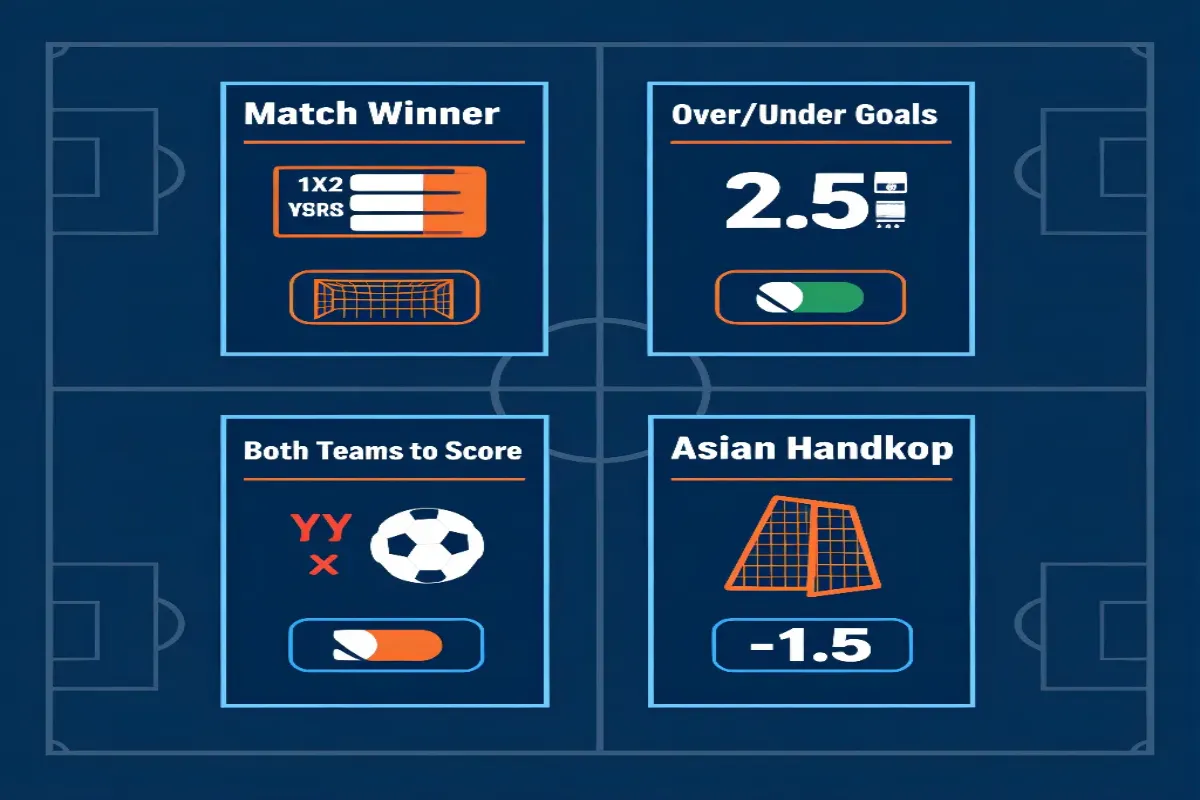
Key betting market types available for Champions League matches
Match Betting Markets
The moneyline bet is where most people start, and honestly, it's often where they should stay until they genuinely understand what they're doing. Pick the winner in ninety minutes—home win, draw, or away win. No complications, no exotic rules, just straightforward prediction.
But here's what trips people up: Champions League matches end in draws far more often than domestic league games. Teams approach European competition conservatively, especially away from home. That one-one draw you thought would be an entertaining three-two shootout? Welcome to Champions League football, where securing a point on the road is considered a successful result.
Draw no bet markets remove that middle outcome. You're backing a team to win in ninety minutes, and if the match ends level, your stake returns. The trade-off is lower odds since you've eliminated one losing scenario, but in knockout stages where defensive tactics dominate, removing draw risk can be worth the reduced payout.
Double chance markets let you cover two of the three outcomes with a single bet. Home win or draw, draw or away win, home win or away win—pick two and you've got action. The odds reflect the reduced risk, but when you're confident a favorite won't lose but aren't sure they'll win, double chance provides a safety net.
Asian handicap betting confuses newcomers but becomes invaluable once you understand it. The handicap gives the underdog a head start and eliminates the draw option. If you back Bayern Munich at -1.5, they need to win by two clear goals for your bet to succeed. The underdog gets +1.5, meaning they can lose by one and your bet still wins. This market is perfect for mismatches where the favorite's moneyline offers no value.
European handicap betting keeps the draw in play but applies a goal handicap. Back Manchester City -1, and they need to win by two for you to profit. If they win by exactly one, it's a push and stakes return. If they fail to win by two, you lose. The draw handicap option means you can back the favorite, the draw after the handicap is applied, or the underdog.
Goals Markets
Over under betting is beautifully simple in concept and maddeningly complex in execution. You're predicting whether total goals will exceed or fall short of a specific number, typically 2.5 goals. Over 2.5 needs three or more goals regardless of who scores them. Under 2.5 wins if the match ends two-one, one-one, one-nil, or nil-nil.
Champions League matches average fewer goals than most domestic leagues because defensive organization improves at the elite level. When two tactically sophisticated teams meet, they cancel each other out. That five-goal thriller you're hoping for rarely materializes when both managers prioritize not losing over trying to win emphatically.
The 2.5 goal line is standard, but books offer alternatives—over under 1.5, 2.5, 3.5, even 4.5 depending on the matchup. Bayern Munich hosting a team from a smaller league might see heavy action on over 3.5 goals because everyone expects a blowout. Conversely, a tactical chess match between Atletico Madrid and Juventus might push action toward under 2.0 goals.
Both teams to score betting asks a simple question: will each side find the net? BTTS bets win regardless of the final score as long as both teams score at least once. This market thrives in matches between attack-minded teams with questionable defenses. Two teams that can't defend but possess quality attackers create perfect BTTS conditions.
The catch with BTTS is that one defensive masterclass ruins your bet. If Manchester City hosts a conservative opponent who parks the bus and City wins one-nil despite dominating, your BTTS bet loses despite the obvious outcome. You need both teams to commit to attacking football, and in the Champions League, that commitment isn't guaranteed.
First goalscorer betting offers astronomical odds but requires legitimate clairvoyance. Pick the player who scores first and you're looking at odds anywhere from +500 to +2000 depending on the player and matchup. Strikers obviously carry the shortest odds, but midfield goal threats and even attacking fullbacks can provide value if you've studied set piece routines.
Anytime goalscorer markets broaden your chances—pick a player to score at any point during the match. The odds are shorter than first goalscorer but still profitable. Focus on penalty takers, players in rich scoring form, and anyone facing a defense that's looked vulnerable. Always check starting lineups before kickoff because your goalscorer needs to actually be on the pitch.
Correct score betting is for the brave or the foolish, depending on outcomes. Predict the exact final score and you're looking at odds ranging from +400 for common results like one-one to +5000 for unlikely scorelines. The attraction is obvious—huge payouts from small stakes—but the reality is harsh. Even when you've correctly assessed both teams, predicting the exact number of goals each scores borders on guesswork.
Futures and Outright Betting
Champions League winner markets open before the season starts and stay open until someone hoists the trophy. You're betting on which team survives the entire tournament, and the odds shift constantly based on draws, injuries, and form. Real Madrid might open at +400, but a favorable draw and injury-free campaign could see those odds shorten to +250 by the semifinals.
The key to futures betting is finding value before the market adjusts. When a dark horse like Villarreal makes an unexpected deep run, early backers at +5000 can hedge their position or let it ride for massive payouts. Conversely, backing the favorite early might get you better odds than waiting, but you're also exposing yourself to more risk over a longer timeframe.
Top goalscorer markets track who finishes the tournament with the most goals. Strikers from teams expected to advance deep offer the best value because they'll accumulate goals across more matches. A prolific striker whose team exits in the Round of 16 can't compete with someone playing into the semifinals or final. Pay attention to penalty takers—they've got built-in goal-scoring insurance.
Reach the final bets pay out if your selected team makes the championship match regardless of whether they win. This market offers middle ground between backing a winner and simply picking teams to advance through early rounds. The odds are shorter than outright winner odds but still profitable if you've identified a team peaking at the right time.
Group winner markets from previous formats are now top eight finish bets under the new league phase structure. You're predicting which teams secure automatic qualification to the Round of 16 by finishing in the top eight positions. This market requires assessing not just team quality but fixture difficulty, rotation risk, and momentum throughout the league phase.
Live Betting on Champions League Matches
In-play betting transforms how you engage with matches once they kick off. The odds shift constantly based on match events—goals, red cards, injuries, tactical changes—and sharp bettors exploit those movements. That team trailing one-nil but dominating possession? Their comeback odds might offer serious value before the equalizer arrives.
The challenge with live betting is emotional control. Watching a match unfold creates biases that cloud judgment. You see Liverpool peppering the opponent's goal and convince yourself the breakthrough is imminent, so you hammer over 2.5 goals at worse odds than pre-match. Then Liverpool hits the woodwork three times and the match ends one-nil, leaving you frustrated at yourself for chasing.
Successful live betting requires preparation. Watch matches with a betting mindset even when you don't have money involved. Study how teams respond to going behind, how often comebacks actually materialize versus how often they feel inevitable, and which managers make proactive substitutions that change match dynamics.
Cash-out features let you settle bets before matches conclude. If you backed Manchester City at -110 and they're cruising at two-nil in the seventieth minute, you can cash out for partial profit rather than risking a late collapse. The bookmaker offers you less than full payout because you're buying certainty, but sometimes guaranteeing profit beats risking everything on your original position.
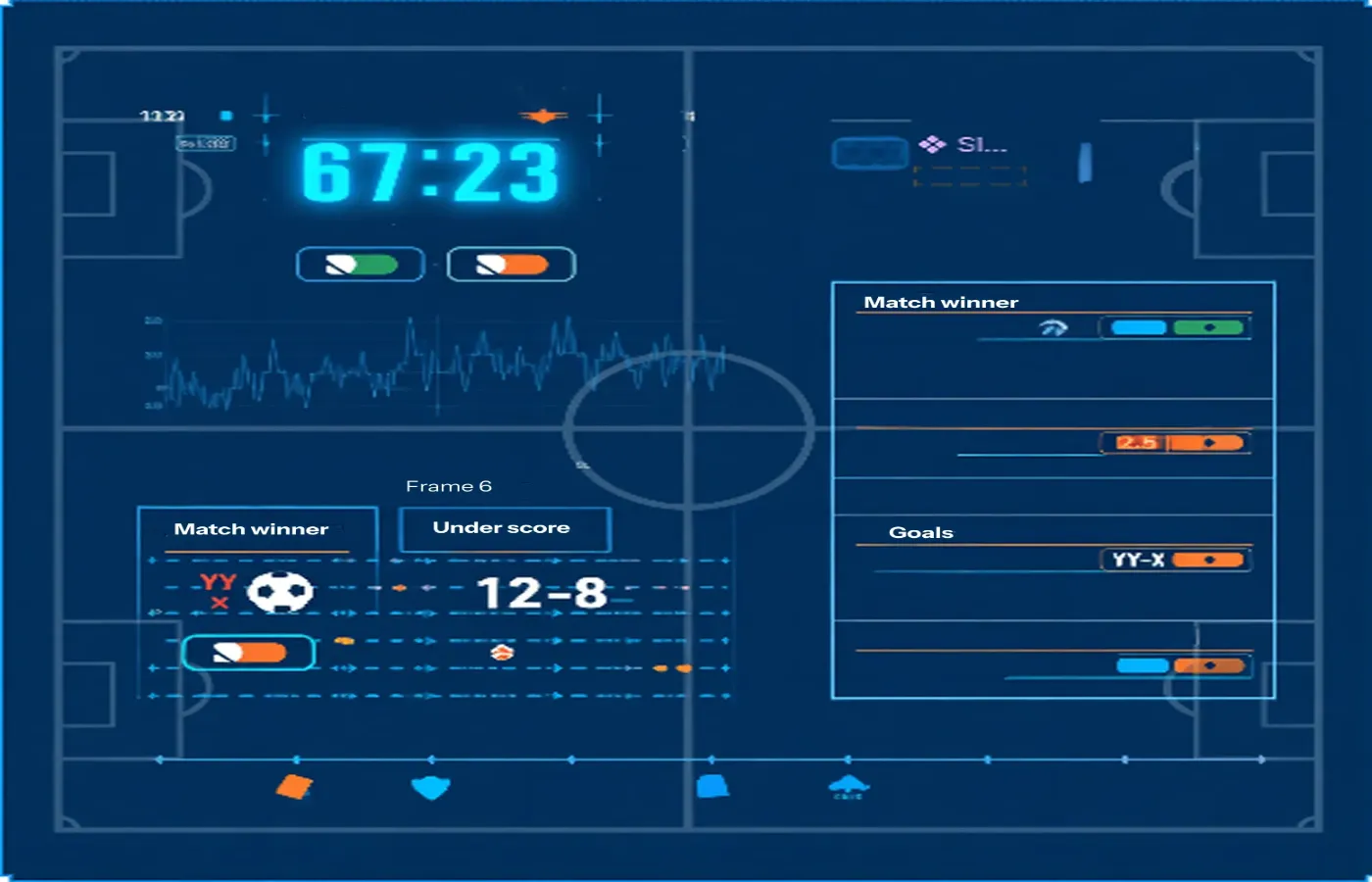
Modern live betting interface with real-time odds and match statistics
Live Betting
Strategic Approach to Champions League Betting
Pre-Match Research That Actually Matters
Everyone tells you to "do your research" but nobody specifies what research actually moves the needle. Spoiler: reading match previews on betting sites and checking league standings doesn't cut it. You need to dig deeper into factors that genuinely influence Champions League outcomes.
Team form requires context. Barcelona's four consecutive wins in La Liga mean less if three came against relegation candidates and the fourth needed a ninety-second-minute penalty. Compare that to Bayern Munich grinding out results against top-half Bundesliga sides while managing injuries, and suddenly Bayern's "worse" form looks more impressive. Focus on quality of opposition, not just results.
The domestic versus European form split is real and significant. Some teams dominate domestically but freeze in European competition. Others treat their league like a warmup for Champions League fixtures, rotating heavily in domestic matches but fielding full strength in Europe. Liverpool under certain managers has shown this pattern—stuttering in the Premier League while thriving on European nights.
Head-to-head records carry weight in European competition because tactical familiarity breeds conservative approaches. When two teams have faced each other three times in the past two seasons, they know each other's patterns. Expect tighter matches, fewer goals, and outcomes determined by individual brilliance rather than systematic advantages. This knowledge should push you toward under bets and away from expecting open, attacking football.
Key player availability matters more in Champions League than domestic leagues because the talent gap is smaller. Losing your star striker against a mid-table league opponent might not matter when you've got squad depth. Losing that same striker against Champions League opposition could be catastrophic because your backup isn't prepared for this level of competition.
Suspensions bite harder in Europe. Yellow card accumulation rules mean players sitting out crucial matches through suspension rather than injury. Managers sometimes deliberately take players off in dead rubber matches to clear yellow cards before knockout stages. Track suspension risks because losing a key defender or defensive midfielder changes the entire tactical setup.
Tactical matchups separate sharp bettors from the crowd. When a possession-dominant team faces an opponent that's elite at counter-attacking, you're looking at a specific game script. The possession team controls the ball, the counter-attacking team sits deep and looks to break quickly. This setup often produces fewer goals than expected because the counter-attacking team isn't committed to scoring multiple times—they're content with one or two goals on the break.
Manager records in European competition reveal important patterns. Some managers consistently overperform in the Champions League despite modest domestic success. Others dominate their leagues but can't translate that success to Europe. Carlo Ancelotti has built a career on European pedigree despite not always winning domestic leagues. That experience matters when matches get tight in knockout stages.
Weather impacts European matches more than domestic competitions because of the tournament's timing. Early season matches in southern Europe can be played in oppressive heat. Winter matches in northern and eastern Europe bring snow, freezing temperatures, and treacherous pitch conditions. These factors slow matches down, reduce goal-scoring, and favor defensive organization over attacking flair.
Understanding the League Phase Betting Landscape
The league phase introduced match dynamics that didn't exist under the old group format. With eight matches against different opponents and a single thirty-six-team table, identifying betting edges requires adapting to new patterns.
Early league phase matches see teams playing cautiously as they assess the competition level and figure out exactly what's required to finish in the top eight or top twenty-four. Nobody wants to lose early and spend the rest of the phase playing catch-up. This conservative approach means more draws and lower-scoring matches than you'd expect based on team quality.
Mid-phase matches offer the sweet spot for finding value. By match day four or five, you know which teams are comfortable, which are desperate, and which have already packed it in mentally. Teams sitting in comfortable positions might rotate ahead of crucial domestic fixtures. Desperate teams throw caution aside and attack with abandon. These divergent motivations create betting opportunities.
Late league phase matches present the trickiest handicapping challenges. A team sitting in eighth place after seven matches might still need points to guarantee automatic qualification, but they also might be safe with a draw. Simultaneously, that team's manager is looking ahead to a domestic cup final the following weekend. How do you bet these matches when the incentives are murky?
Dead rubber matches aren't quite dead anymore. Under the old format, a team qualified or eliminated by match day five had nothing to play for in matches five and six. Now the expanded league phase means even teams with slim playoff hopes need to keep fighting, and teams safely qualified might still chase top-eight finishes to avoid the playoff round. This makes rotation risk harder to predict and bet around.
Squad rotation follows predictable patterns if you're paying attention. Elite teams with deep squads rotate aggressively when matches don't matter or when their position is secure. Smaller clubs can't afford that luxury—they need their best players on the pitch as often as possible. When Manchester City faces Red Star Belgrade in match day seven while sitting comfortably in fourth place, expect Pep Guardiola to field half his youth team. Bet accordingly.
Knockout Stage Betting Strategies
Knockout rounds demand a completely different approach because the stakes change fundamentally. One bad performance doesn't just cost points—it ends your season. This reality makes teams more conservative, matches tighter, and outcomes harder to predict with certainty.
First leg psychology favors caution. Teams know they have a second leg to rescue the tie if things go wrong, so they rarely commit fully to attack in the first leg, especially when playing away. Expect low-scoring first legs, fewer red cards, and minimal risk-taking from both sides. The second leg is where desperation emerges and matches open up.
Away goals were abolished starting in 2021, which changed tactical approaches significantly. Previously, teams playing at home in the second leg needed to score multiple times if they conceded an away goal. Now ties are decided on aggregate score, and if level after both legs, extra time and penalties determine the winner. This rule change made home teams in second legs more willing to commit numbers forward because conceding doesn't carry the same catastrophic consequences.
Second leg scenarios create predictable game scripts. If a team lost the first leg two-nil, you know they're attacking from minute one in the second leg. They have no choice—they must score at least three goals to advance. Conversely, the team defending a two-nil lead will play defensively, absorb pressure, and look for counter-attacking opportunities. These dynamics make certain markets more valuable than others depending on the first leg result.
Aggregate thinking changes how you bet knockout matches. A team might "lose" a second leg one-nil but advance four-three on aggregate. Your bet on that team to win the second leg loses despite them progressing. Always verify whether your market is based on the individual match result or the aggregate outcome and who advances.
Advanced Champions League Betting Techniques
Finding Value in Champions League Markets
Value betting isn't about picking winners—it's about finding mismatches between your assessment of probability and the odds offered by bookmakers. When you believe Liverpool has a sixty percent chance of winning but the odds imply only fifty percent, that ten-percent edge compounds over enough bets to generate profit.
The challenge is honestly assessing probability without bias. Most bettors overestimate their favorite team's chances or underestimate opponents they don't respect. Keeping a betting journal forces intellectual honesty. Track your predictions, actual results, and whether your reasoning was sound regardless of outcomes. Over time, patterns emerge showing where your analysis is sharp and where you're consistently wrong.
Line shopping between sportsbooks is the easiest way to immediately improve your results without changing anything else about your approach. Different books set different lines based on their client base and risk management strategies. One book might offer Liverpool at -140 while another has them at -155. Always take -140 if you're betting Liverpool. These fifteen-cent differences add up dramatically over a season of betting.
Public betting percentages reveal which side recreational bettors are hammering. When ninety percent of bets are on Manchester City but the line hasn't moved toward City, that's a signal that sharp money is on the underdog. Bookmakers adjust lines to balance their exposure, so if they're not moving the line despite lopsided public action, they're comfortable with their current position—meaning sharps are betting the other side.
Closing line value measures whether you beat the market. If you bet Bayern Munich at -180 and the line closes at -220, you got forty cents of value. Consistently beating closing lines is the clearest indicator that your analysis is sharp. Track this metric religiously. If you're regularly getting worse prices than closing lines, your timing or analysis needs work.
Statistical Models and Data-Driven Betting
Expected goals transformed soccer analysis by measuring shot quality instead of just counting shots. A team that took twenty shots from thirty yards out didn't genuinely create twenty scoring chances. xG assigns probability to each shot based on historical conversion rates from similar positions and situations. This metric cuts through noise and reveals which teams are genuinely creating dangerous opportunities.
Champions League xG requires context because defensive quality increases at the elite level. A shot that generates 0.15 xG against Premier League opposition might only be worth 0.10 xG against Champions League defenders who position themselves better and read plays faster. Adjust your xG-based predictions to account for competition level or you'll consistently overestimate goal-scoring.
Poisson distribution predicts score outcomes based on average goals scored and conceded. If Manchester City averages 2.1 goals per match and their opponent typically concedes 1.3, you can calculate the probability of various score lines. This mathematical approach removes emotion and provides objective probability assessments for correct score and over under markets.
The limitation of Poisson is that it assumes goals occur independently and randomly, which isn't entirely true in soccer. Late goals occur more frequently than early goals because losing teams commit more players forward as time expires. Set pieces cluster goals because teams earn corners in bunches when dominating possession. Pure Poisson models need adjustments for these realities.
Team strength ratings give you a single number representing overall quality that you can compare across competitions. Various rating systems exist—Elo ratings, SPI, Power Rankings—each with different methodologies. The specific system matters less than consistently using the same framework so your comparative analysis remains stable over time.
Historical trends provide edges if you avoid the trap of small sample sizes. Real Madrid has reached the semifinals or better in fourteen of the past fifteen Champions League seasons. That's not coincidence—institutional knowledge and big-match experience create edges that persist across different squads. Conversely, a team's single previous Champions League run tells you almost nothing about their current chances because squad turnover and opponent strength varies too much.
Building Profitable Betting Systems
A betting system is just a set of rules that determine when you bet and how much. The system can be simple—back the underdog in all second legs when they lost the first leg by exactly one goal—or complex involving multiple variables and statistical models. What matters is that you follow the system consistently and track results rigorously.
Backtesting involves applying your system to historical data to see how it would have performed. If your system would have lost money over the past three Champions League seasons, it probably won't suddenly become profitable this season. Backtesting reveals flaws before you risk real money, though you need enough historical data to be meaningful. Twenty matches isn't enough. Two hundred matches starts to tell you something.
The danger of backtesting is overfitting—creating a system that perfectly explains past results but has no predictive power. If your system says "bet unders in all matches played in March when the home team's name starts with B and the temperature is below fifty degrees," you've found a coincidental pattern, not a genuine edge. Keep systems simple and based on logical reasoning, not data mining for random correlations.
Sample size requirements in sports betting are larger than most people realize. Fifty bets tell you almost nothing about whether your system is profitable or you got lucky. Even two hundred bets might be insufficient if your win rate is close to fifty percent. This reality means you need bankroll depth to survive inevitable downswings before your edge manifests in profits.
Adaptation beats stubbornness. Markets change as information becomes public and other bettors identify the same edges you've found. A system that worked beautifully last season might be obsolete this season if bookmakers adjusted their models or betting patterns shifted. Stay flexible and willing to abandon approaches that stop generating value.
Common Champions League Betting Mistakes (And How to Avoid Them)
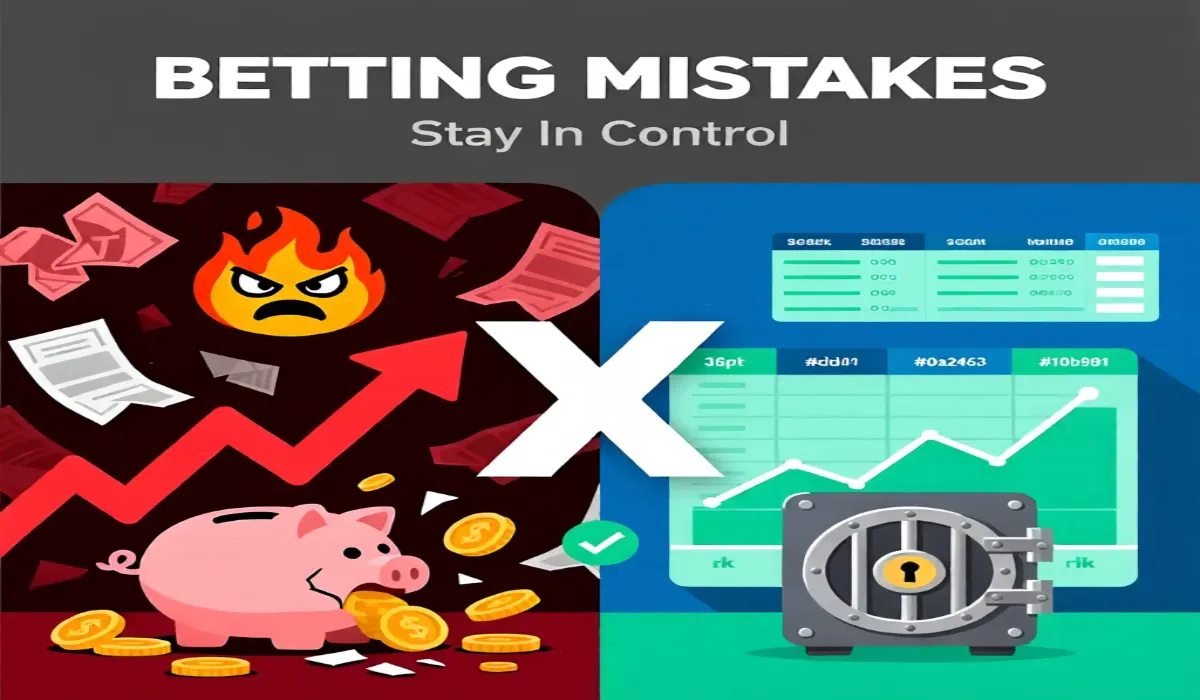
Warning: Critical betting mistakes that cost money and how to avoid them
Important
1
The difference between winning and losing bettors often comes down to mistakes avoided rather than brilliant insights discovered. Champions League betting punishes certain errors more harshly than domestic league betting because the margins are tighter and the competition fiercer.
Chasing losses destroys more bankrolls than bad handicapping. You lost three bets in a row and now you're convinced the next one has to hit, so you double your stake to recover those losses quickly. Except variance doesn't work that way. That fourth bet has the same probability of winning as the first three, and now you're risking even more money while emotionally compromised. Set a stop-loss for each betting session and walk away when you hit it.
Betting on your favorite team blinds you to obvious flaws. Liverpool supporters convinced themselves their defense was fine despite clear evidence otherwise. Manchester United fans overrated their squad's quality season after season. Emotional attachment makes objective analysis nearly impossible. If you can't bet against your team when the numbers say you should, don't bet on matches involving them at all.
Ignoring squad rotation in busy periods is amateur hour. December and January see clubs playing twice a week while juggling domestic cups and league commitments. Managers rotate heavily, especially teams comfortably qualified or eliminated from Champions League progression. Checking expected lineups before betting is non-negotiable. Your three-leg parlay looks brilliant until you discover Manchester City is resting eight starters.
Overvaluing recent results creates recency bias. A team that won their last three matches isn't necessarily in better form than a team that lost their last two if you examine opponent quality and underlying performance metrics. Bayern Munich losing to Real Madrid and Barcelona while dominating xG in both matches suggests they're performing well despite results. Context matters more than raw win-loss records.
Misunderstanding handicap markets costs bettors constantly. You back Manchester City -1.5 thinking you'll win if City wins by one goal. The bet loses because -1.5 requires a two-goal margin. Always verify exact handicap requirements and whether your bet pushes or loses if the margin lands exactly on the number. These aren't complicated rules but skimming past them leads to painful surprises.
Parlaying correlated bets offers worse value than you think. Backing Barcelona to win and over 2.5 goals makes sense because Barcelona winning makes over 2.5 more likely. But bookmakers know this and price the parlay accordingly. You get worse combined odds than if those events were truly independent. Build parlays from genuinely uncorrelated outcomes across different matches.
Betting without checking weather forecasts is preventable sloppiness. Heavy rain slows matches down, makes passing difficult, and generally reduces goal-scoring. Snow and freezing temperatures have even more dramatic impacts. A high-scoring affair you expected between two attacking teams turns into a defensive grind when played in a blizzard. Check the forecast and adjust expectations accordingly.
Neglecting set piece analysis misses a huge component of Champions League goals. Twenty-five to thirty percent of goals come from corners, free kicks, and penalties at the highest level. Teams with tall, physical defenders and attackers who attack crosses well score more from set pieces. Conversely, teams that concede frequently from set pieces are vulnerable regardless of their open-play defensive quality.
Failing to track your betting history leaves you flying blind. You think you're profitable betting overs but you've actually lost money on that market over your last fifty bets. Without records, you can't identify which approaches work and which need adjustment. Spreadsheets take five minutes to maintain and provide invaluable feedback about your actual performance versus your perception.

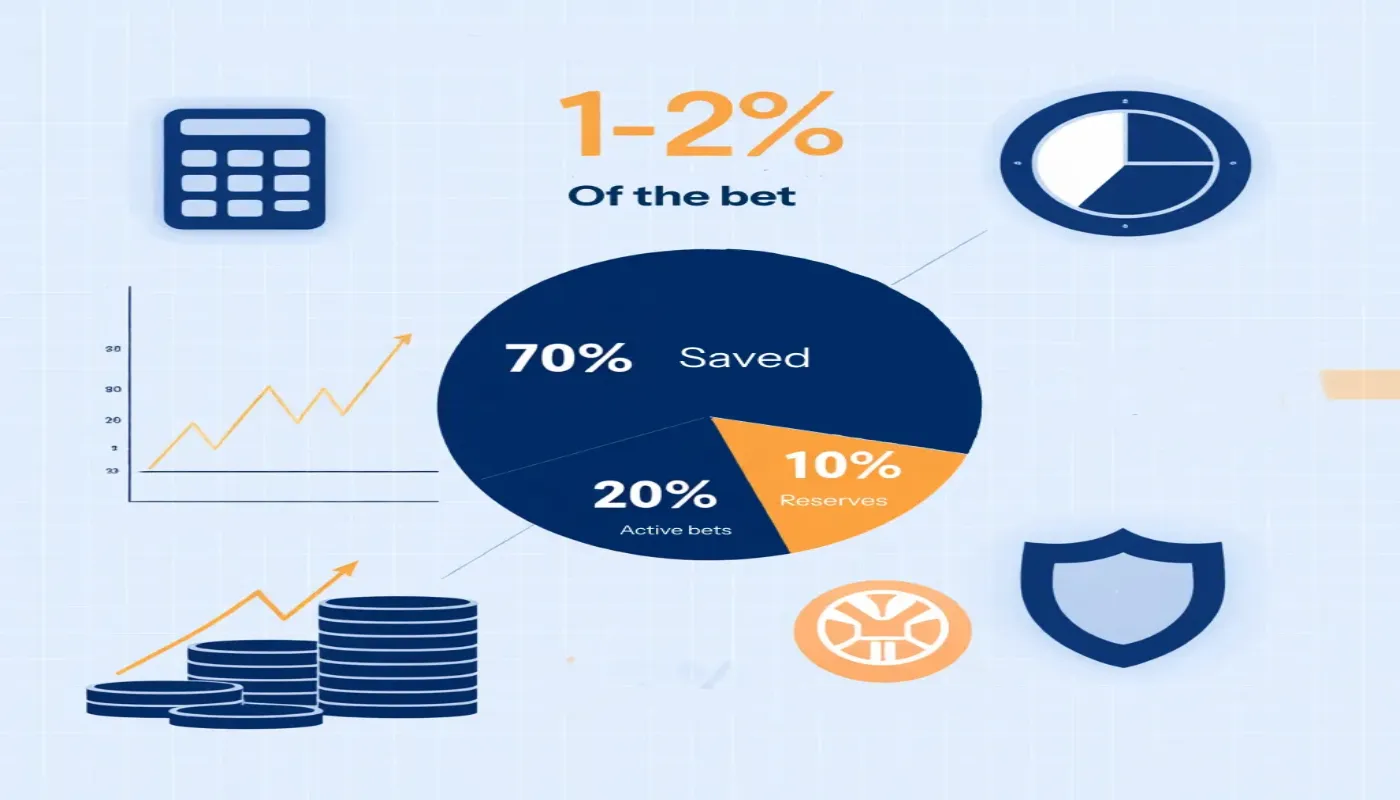
Proper bankroll management strategy with portfolio allocation breakdown
Financial Strategy
Choosing the Right Sportsbook for Champions League Betting
Comprehensive sportsbook comparison: features, security, and competitive advantages
Comparison Guide
1
Not all sportsbooks are created equal, and where you place your Champions League bets matters more than most bettors realize. Different books offer different odds, market variety, and user experiences that directly impact your bottom line and betting enjoyment.
Competitive odds make the single biggest difference in long-term profitability. A book that consistently offers -105 when competitors are at -110 gives you five cents of value on every bet. That might not sound significant on individual wagers, but compound that across hundreds of bets and you're talking about thousands of dollars in additional profit. Always maintain accounts at multiple books so you can shop lines.
Market variety separates elite books from mediocre ones. Top-tier sportsbooks offer hundreds of markets per Champions League match—everything from first throw-in to number of corners in each ten-minute interval. This variety gives you more opportunities to find value in niche markets that fewer bettors analyze deeply. Books with limited markets force you into more efficient markets where finding edges is harder.
Live betting functionality needs to be smooth and responsive. Odds shift constantly during matches, and laggy platforms mean you're betting on outdated prices. The best books update odds in real-time with minimal delay and let you place bets quickly before lines move. Clunky interfaces cost you money when you miss favorable prices because the site was buffering.
Early lines provide edges for sharp bettors who can identify value before the broader market weighs in. Books that post Champions League odds days in advance let you bet before injury news breaks or before public betting shifts the lines. By the time casual bettors wake up on match day, smart money has already grabbed the best prices.
Payment methods matter more than you'd think. Books that offer fast withdrawals via cryptocurrency or e-wallets get your money to you in hours or days instead of weeks. Nothing's more frustrating than winning a big bet and waiting ten days for a check to arrive. Prioritize books with modern payment infrastructure that respects your time and liquidity needs.
Licensing and regulatory oversight protects your money. Stick with books licensed by established gaming commissions in legitimate jurisdictions. Offshore books with sketchy licensing have a history of stalling withdrawals, imposing arbitrary limits, or simply disappearing with customer funds. The peace of mind from using licensed books is worth slightly worse odds.
Welcome bonuses look attractive but read the terms carefully. A book offering five hundred dollars in bonus bets sounds great until you discover the fifty-times rollover requirement means you need to bet twenty-five thousand dollars before you can withdraw anything. Bonuses with reasonable terms provide genuine value. Predatory bonuses with impossible requirements are marketing gimmicks.
Odds boosts and promotions provide occasional value. Books regularly boost odds on featured Champions League matches to attract action. These boosted lines sometimes offer legitimate value if you were already planning to bet that side. Just verify that the boosted odds are actually better than standard lines elsewhere—sometimes the "boost" brings the odds to what competitors already offered.
Conclusion
1
Champions League betting rewards patience, discipline, and intellectual honesty. The tournament's unique pressures, tactical complexity, and variance mean quick riches are fantasy. Sustainable profit comes from consistently finding small edges, managing your bankroll conservatively, and learning from both winners and losers.
Start small while you're developing your process. Risk one or two percent of your bankroll per bet until you've proven to yourself that your analysis generates value. Track everything religiously and review your performance monthly to identify patterns in what's working and what isn't. This isn't glamorous advice, but it's what separates long-term winners from the crowd.
The new thirty-six-team format creates more betting opportunities across a longer season. More matches mean more data, more value to find, and more chances to implement your system. But it also means more chances to make mistakes if you're not disciplined. Quality over quantity applies to betting as much as anything else.
Remember that bookmakers are sophisticated operations with sharp analysts and powerful models. You're not smarter than the market, but you can find spots where your specific knowledge or analysis provides an edge the broader market hasn't priced in. Those edges are small, fleeting, and require constant work to maintain. Anyone promising guaranteed wins or secret systems is selling you fantasy.
Above all, never bet more than you can afford to lose. Champions League betting should enhance your enjoyment of elite football, not create financial stress or compromise your wellbeing. Set hard limits on your betting bankroll, stick to them religiously, and walk away if the hobby stops being fun. The matches happen whether you've got money on them or not. Sometimes just watching is enough.