
Champions League Betting Tips: Expert Strategies
 Available in US

The worst Champions League betting advice I ever received was "just back the favorites." Sounds reasonable until you realize favorites lose roughly thirty percent of the time in this competition, and when they do lose, they take your bankroll with them. I learned this the hard way betting Real Madrid at -250 against Ajax in 2019, watching them get dismantled four-one at the Bernabeu. The odds said Madrid should cruise. The match said otherwise.
Champions League betting demands a completely different strategic approach than domestic league gambling. The tournament's unique pressures—knockout format anxiety, unfamiliar opponents, months-long campaigns that grind down squads—create situations where conventional betting wisdom falls apart. That team dominating their domestic league? They might approach European matches so conservatively that backing them becomes a trap. The underdog everyone's fading? They could have the tactical setup to frustrate favorites into mistakes.
What separates winning Champions League bettors from the crowd isn't some secret system or inside information. It's understanding context—why teams approach matches the way they do, how squad depth determines performance over nine months, where value hides when everyone's betting the obvious side. The 2024/25 format change to a thirty-six-team league phase added complexity, creating new patterns to exploit and old patterns that no longer apply.
This guide breaks down practical Champions League betting strategies that actually work, tested across multiple seasons of real money wagering. We're talking about specific situations where certain bet types consistently offer value, team characteristics that signal betting opportunities, and market inefficiencies that persist despite bookmakers' best efforts to eliminate them. No generic "do your research" platitudes, no recycled content from other sites—just tactical intelligence about how to approach Europe's premier club competition with an edge.
Whether you're betting your first Champions League match or you've been grinding this tournament for years, these tips address the specific challenges this competition presents. From identifying rotation risk in league phase dead rubbers to exploiting psychological edges in knockout stage betting, we're covering the angles that move your win rate from slightly profitable to consistently beating the closing lines.
Foundational Champions League Betting Principles
Form Analysis Beyond Surface Stats
Everyone checks league standings and recent results before betting Champions League matches. The smart money goes deeper, analyzing quality of opposition, underlying performance metrics, and contextual factors that explain why results look the way they do.
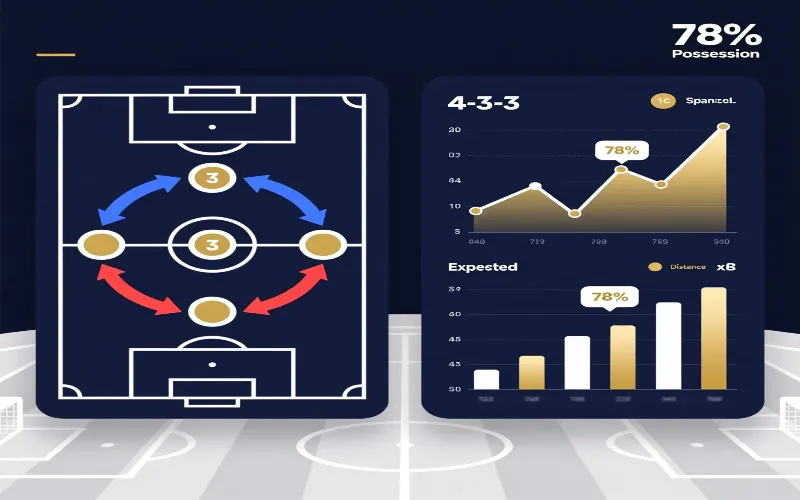
Barcelona winning their last four La Liga matches means nothing if three came against teams battling relegation and the fourth required a ninety-third minute penalty to secure three points. That's not form—that's surviving on minimal margins against weak opposition. Compare that to Bayern Munich drawing two of their last three Bundesliga matches but dominating possession, creating high-quality chances, and only dropping points because their finishing was cold. Which team is actually playing better football?
The domestic versus European form split reveals important patterns. Liverpool under certain managers has consistently prioritized Champions League over domestic competitions, rotating heavily in league matches before European fixtures. Their Premier League form might look inconsistent while their Champions League form stays sharp. Betting against them in Europe because their league results are mixed is exactly backwards—you're fading them when they're most motivated and freshest.
Expected goals metrics cut through result noise to show which teams are genuinely creating dangerous chances versus getting lucky with clinical finishing or goalkeeper heroics. A team winning three-one on the scoreboard but losing the xG battle 2.1 to 1.4 didn't play well—they got fortunate. That luck regresses to the mean over enough matches, and betting against teams outperforming their xG consistently generates long-term profit.
Context matters more than raw numbers. Injuries to key defenders make a team's recent clean sheets misleading. Suspensions forcing tactical adjustments change how matches unfold. Weather conditions affecting recent matches might not replicate in upcoming fixtures. Digging into why results happened rather than just what happened separates sharp analysis from surface-level research.
Strength of schedule adjustments reveal whether a team's form is legitimate or inflated by favorable opponents. Thrashing weak teams five-nil doesn't prove you'll compete with elite opposition. Grinding out narrow wins against quality sides despite imperfect performances suggests resilience that shows up in tight Champions League matches.
Squad Depth as the Ultimate Separator
Champions League success demands elite players beyond the starting eleven because the competition spans nine months while clubs juggle domestic leagues, domestic cups, and European fixtures simultaneously. Teams without depth crater over this schedule. Teams with quality depth thrive.

Manchester City fields rotated lineups that would be first choice at most other clubs. When Pep Guardiola rests five starters for a Champions League match, the replacements are internationals with elite technical quality. Betting against City because they're rotating is often a trap—their second string is still better than most opponents' best eleven.
Smaller clubs from weaker leagues lack this luxury. Copenhagen or Red Star Belgrade runs essentially the same eleven every match because their depth drops off a cliff. By match day seven of the league phase, accumulated fatigue shows in their defensive discipline and pressing intensity. These teams become increasingly vulnerable as the schedule grinds them down, creating value opportunities for sharp bettors tracking their physical state.
Injury lists deserve obsessive attention. Losing your starting striker against mid-table domestic opposition might not matter when you've got a capable backup. Losing that striker before a Champions League match against elite defenders becomes catastrophic because your backup isn't prepared for this competition level. Track injury reports daily leading up to matches because this information moves lines violently when it breaks.
European experience within the squad matters more than team pedigree. A club making their first Champions League appearance in a decade might have only three or four players with significant European experience. They'll make mistakes borne of inexperience—poor game management, naive tactical choices, mental errors under pressure. Veterans who've played dozens of Champions League matches know how to navigate these situations and keep teams organized when chaos threatens.
League Phase Betting Tips
Early Matches Favor Conservative Outcomes
The first two match days of the league phase see teams feeling out the competition level, figuring out what's required to secure top eight or top twenty-four finishes. Nobody wants to lose early and spend the rest of the phase playing catch-up, which breeds cautious football focused on avoiding defeat rather than securing victory.
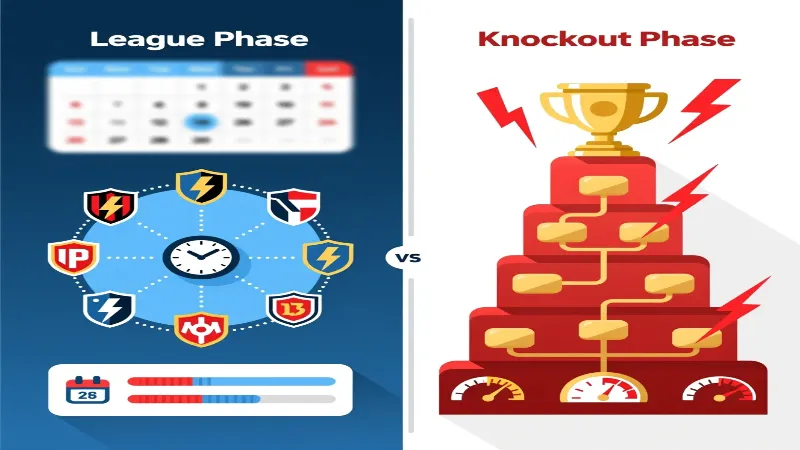
This caution manifests in several ways. Teams defend deeper, commit fewer players forward on attacks, and generally play tighter matches where one goal often decides the outcome. Backing unders in the first two match days exploits this pattern—teams averaging three goals per game in league play suddenly produce matches finishing one-nil or one-one because nobody's willing to risk defensive exposure chasing a second goal.
Historical data supports this approach. Over the past five Champions League seasons, matches in the first two rounds produced under 2.5 total goals at a sixty-two percent clip. That's significantly higher than the fifty-five percent under rate across all league phase matches. The edge exists because casual bettors expect entertaining, high-scoring football right away when teams are actually playing conservatively to establish tournament positions.
Exception identification matters though. Some teams approach every match with attacking intent regardless of circumstances. Liverpool under Jurgen Klopp rarely played cautious football in any context. Manchester City's systematic dominance means they'll generate chances even when opponents bunker. Blindly betting unders against these teams in early matches ignores their consistent attacking output.
Away teams especially favor cautious approaches early in the league phase. Securing a draw on the road feels like a positive result when you've got four home matches remaining to bank wins. This makes backing away teams on handicaps attractive—they're happy to take plus-one if it means avoiding defeat and preserving their qualification chances.
Dead Rubber Value
League phase dead rubbers—matches where both teams have already secured qualification or elimination—create massive value opportunities because teams with nothing to play for make decisions that fundamentally alter match dynamics.
Qualified teams rotate heavily in their final league phase matches, resting starters ahead of knockout rounds. These rotated lineups lack cohesion and feature players who haven't played together regularly, creating defensive vulnerabilities that get exploited by motivated opponents. Bayern Munich fielding seven changes against a mid-table team desperate for points isn't the same Bayern that dominated earlier matches.
This rotation effect shows statistically. Teams already qualified for the knockout rounds who rotate at least five starters win only forty-eight percent of their final league phase matches compared to seventy-three percent win rates in matches where qualification was still at stake. That's a twenty-five percentage point drop that bookmakers consistently undervalue because casual bettors see "Bayern Munich" without recognizing it's a completely different lineup.
Eliminated teams paradoxically become dangerous opponents in dead rubbers because pressure evaporates. They've got nothing to lose, which breeds attacking freedom and risk-taking that wouldn't happen if qualification remained possible. These teams suddenly play with attacking abandon, creating high-scoring matches against opponents who might also be rotating. Backing overs in matches featuring eliminated teams against qualified-and-rotating opponents exploits this pattern.
Young player opportunities in dead rubbers create additional unpredictability. Elite clubs use these matches to give minutes to youth prospects who normally sit on the bench. These players are talented but lack Champions League experience, leading to inconsistent performances—moments of brilliance mixed with mistakes. This volatility makes backing unders or conservative outcomes risky because anything can happen when inexperienced players are getting extended run.
Home-Road Splits Matter More Here
Domestic leagues see home field advantage worth approximately half a goal on average. Champions League home advantage is worth closer to a full goal because travel demands are more significant and crowd atmospheres more intense.
Teams from distant locations face exhausting travel schedules. A Russian or Turkish club traveling to Portugal or England deals with multiple time zones, long flights, and disrupted preparation routines. This fatigue manifests in the second half when intensity drops and defensive discipline suffers. Backing home teams to cover spreads against traveling opponents from distant locations exploits this physical edge.
Atmospheric intimidation increases at elite stadiums. Playing at the Bernabeu, Anfield, or San Siro creates psychological pressure on opponents that doesn't exist in domestic matches. These stadiums hold seventy-five thousand passionate supporters generating noise that makes communication difficult and mistakes more likely. Home teams leverage this advantage, particularly in knockout rounds where atmosphere intensity peaks.
The expanded league phase format reduced home advantage slightly by making individual matches less crucial. Teams don't need to protect home field desperately because they've got eight matches instead of six to secure qualification. This creates opportunities fading home favorites who might not approach matches with maximum intensity because one loss doesn't catastrophically damage their qualification hopes.
Knockout Stage Psychology
First Leg Conservatism
Knockout stage first legs breed cautious football because teams prioritize avoiding catastrophic results over securing decisive advantages. Losing three-nil at home in the first leg essentially ends your tournament. Drawing one-one while scoring an away goal keeps you competitive. This risk-reward calculation makes teams play tighter, more defensive football than league phase matches.

This conservatism manifests in both team's approach but especially away teams. Going on the road in a first leg means playing for a result that keeps the tie competitive for the second leg. Securing a goalless draw or one-one result is acceptable because you've got a home match to win the tie. This makes backing unders and conservative handicaps in first legs profitable because teams aren't taking the risks necessary to produce high-scoring matches.
Statistical evidence confirms this pattern. First legs in the knockout rounds average 2.3 total goals compared to 2.8 in second legs. That half-goal difference creates value when bookmakers price first leg totals as if they'll match second leg scoring. Finding unders at plus-money in first leg matches, especially when both teams are evenly matched, exploits this consistent pattern.
Away goals matter psychologically even after the rule change eliminating their tie-breaking function. Teams still value scoring on the road because it forces opponents to win by multiple goals in the second leg. This mindset creates situations where away teams are satisfied holding possession without taking risks, running down clock while protecting a narrow deficit or level score.
Second Leg Volatility
Second legs feature dramatically different dynamics because teams enter knowing exactly what's required. Down two goals? You're attacking relentlessly from kickoff. Up three goals? You're managing the game conservatively. This clarity creates predictable patterns for sharp bettors.
Teams protecting first leg leads play ultra-conservative football in second legs, prioritizing defensive solidity over attacking ambition. They'll pack defenders behind the ball, absorb pressure, and waste time at every opportunity because preventing opponent goals is their only job. This approach makes betting unders and handicaps favoring the leading team attractive because they're actively trying to produce low-scoring, controlled matches.
Teams chasing deficits create volatility. Down one or two goals, they must attack aggressively, which leaves space for counters. These matches produce either high-scoring shootouts where both teams capitalize on space or blowouts where the leading team's counters overwhelm desperate opponents. Backing overs in second legs where teams are chasing moderate deficits exploits both scenarios.
The critical deficit threshold is two goals. Teams down by one goal approach second legs cautiously because they're still in the tie with controlled football. Teams down by three or more goals often give up psychologically because the required comeback seems impossible. Teams down exactly two goals hit the sweet spot where they must attack but comeback remains plausible, creating maximum volatility and scoring potential.
Experience Under Pressure
Champions League knockout rounds separate experienced veterans from talented but inexperienced players. The pressure of elimination matches reveals who can maintain composure and who crumbles when stakes increase.
Real Madrid exemplifies institutional experience advantages. They've won fifteen Champions League titles across different eras, creating organizational knowledge of knockout round success that transcends individual players. When knockout matches get tight and tense, Madrid finds ways to advance because their players have lived these moments before. Fading Madrid in knockout rounds based purely on recent form ignores this intangible edge.
Conversely, teams making deep runs for the first time often stumble when pressure peaks. Reaching the semifinals feels like an achievement, which creates satisfaction that undermines competitive hunger. These teams celebrate progress rather than maintaining championship mentality, making them vulnerable against opponents who expect to compete at this level.
Individual player experience matters enormously. A goalkeeper making their first Champions League knockout appearance will make mistakes under pressure that veteran keepers avoid. Defenders unfamiliar with managing knockout round tempo give up soft goals through positioning errors. Strikers without big-match experience miss chances they'd convert in lower-pressure situations. Tracking which teams and players have extensive knockout round experience helps identify which sides can maintain performance when pressure intensifies.
Market-Specific Betting Tips
Total Goals
Champions League total goals betting requires understanding how match context affects scoring likelihood. League phase matches feature different goal totals than knockout matches. First legs produce lower scoring than second legs. Dead rubbers generate unpredictable totals based on rotation and motivation.
The league phase base rate sits around 2.8 goals per match across all thirty-six teams. But this average obscures massive variation based on matchup quality. Elite teams facing weak opposition regularly produce four-plus goal matches. Evenly-matched teams grinding out tactical battles might combine for one goal total. Using league-wide averages without context loses money.
Team-specific goal rates reveal better information. Bayern Munich averages 3.4 goals per match across all competitions—they're going to score regardless of opponent. Atletico Madrid averages 2.1 goals per match because their defensive style produces tight, low-scoring games. When Bayern and Atletico play each other, should you use the league average of 2.8 goals or recognize that these specific teams create different dynamics?
Weather conditions affect goal totals more than bettors account for. Heavy rain makes passing difficult and increases defensive errors. Strong winds disrupt set pieces and long balls. Extreme cold reduces player mobility and increases injury risk. Checking weather forecasts before betting totals provides edge against bettors who ignore these factors.
Referee tendencies matter for totals because officials who call tight matches with frequent whistles disrupt offensive flow. Games with thirty fouls and five yellow cards in the first half won't produce high scoring because neither team can maintain attacking rhythm. Conversely, referees who let play continue facilitate more dangerous attacks and higher-scoring matches.
Both Teams to Score
Both teams to score is among the most popular Champions League markets because it doesn't require predicting match winner, just whether both teams find the net. Understanding when this outcome is likely versus unlikely generates consistent profit.
The market carries inherent inefficiency because casual bettors overestimate how often both teams score. The yes option typically prices around -140 despite hitting only fifty-four percent historically in Champions League matches. That three percentage point edge (fifty-four percent actual versus fifty-eight percent implied by -140) creates value consistently backing no when prices are favorable.
Matchup-specific analysis matters enormously. When elite attacking teams face each other, both teams to score becomes likely because neither can completely shut down dangerous opponents. Manchester City versus Liverpool features two teams averaging 2+ goals per match with leaky defenses—both teams scoring is the expected outcome, not a value bet.
Defensive mismatches create opposite dynamics. When elite defensive teams face limited attacking teams, the favorite often wins to nil because the underdog lacks quality to score against organized defenses. Atletico Madrid hosting a lower-tier team means Atletico probably wins two-nil or three-nil, making both teams to score a poor bet despite attractive pricing.
First leg conservatism reduces both teams to score probability because away teams prioritize defensive solidity. Second legs increase probability when teams are chasing deficits and must attack aggressively. Dead rubbers create unpredictability based on rotation and motivation. Context determines whether both teams to score offers value.
Handicap Markets
Champions League handicaps offer value because bookmakers price them based on expected goal differentials that don't account for match context properly. A team favored by 1.5 goals might be fairly priced in a league phase match but undervalued in a knockout first leg where they'll play conservatively despite being better.
The expanded league phase created more lopsided matchups than the old group stage because strength of schedule varies dramatically. Elite teams facing weaker opposition early should cover handicaps because talent gaps are enormous. Bayern Munich minus-two goals against a mid-table Bundesliga-level team isn't a tough ask—they're genuinely three or four goals better.
Conversely, knockout rounds feature tighter matchups where handicaps become difficult to cover. The worst team in the round of sixteen is still a quality side that reached this stage by performing well in the league phase. Favorites might win these matches, but winning by multiple goals becomes challenging against organized, capable opponents.
Asian handicap markets provide more nuanced options than traditional spreads. Instead of backing Bayern minus-two goals outright, you can bet minus-1.5, minus-1.75, or minus-2.25, creating different risk-reward profiles. These fractional handicaps reduce the impact of push scenarios and allow more precise positioning based on how confident you are in the favorite's margin of victory.
Correct Score
Correct score betting offers massive payouts because predicting exact final scores is exceptionally difficult. But certain Champions League situations create higher-probability correct score scenarios that present value despite long odds.
Knockout first legs involving evenly-matched teams cluster around one-one and one-nil results because both teams play cautiously. These scores typically offer eight-to-one or ten-to-one payouts despite occurring fifteen to eighteen percent of the time in first leg contexts. That's significant edge when you're getting paid ten-to-one for an outcome with seven-to-one true odds.
Dead rubbers where qualified teams rotate heavily create unpredictable scorelines because you've got inexperienced players and limited tactical cohesion. But this unpredictability includes higher likelihood of upset results like two-one or three-two rather than dominant three-nil or four-nil victories. Finding correct score value means identifying which specific scorelines become more likely given rotation and motivation factors.
Home teams winning two-nil or three-nil against moderate opposition offers value in the league phase because these results satisfy both teams' incentives. Home teams want convincing wins to boost goal differential for tie-breaking. Away teams are happy limiting damage to two or three goals while preserving energy for matches where points are more accessible. This creates concentrated probability around specific scorelines that offer better-than-fair pricing.
Team-Specific Betting Angles
English Teams in Europe
Premier League clubs bring specific characteristics to Champions League that create betting patterns. Their domestic league emphasizes intensity and physical play, which sometimes translates awkwardly to European competition where technical quality and tactical discipline matter more.
English teams typically start Champions League campaigns cautiously as they adjust to the different tempo and refereeing standards. First few matches often see them playing below their capabilities because they're still figuring out how to impose their style against continental opposition. This creates value fading them early and backing them later once they've adjusted.
The exception is elite English clubs like Manchester City or Liverpool who have extensive European experience. These teams navigate tactical adjustments seamlessly because their squads are full of players who've competed at this level for years. Betting against them based on general "English teams struggle in Europe" narratives is outdated thinking that costs you money.
Squad depth advantages manifest clearly for wealthy English clubs. They can rotate aggressively without significant performance drops, making them dangerous opponents even in matches where they rest starters. Betting against them in league phase matches based on rotation typically fails because their backups are still better than most opponents.
Spanish Tactical Mastery
Spanish clubs bring technical excellence and tactical sophistication that shows up consistently in Champions League. Real Madrid and Barcelona have won the competition more times combined than any other nation's clubs because Spanish football culture emphasizes the skills European competition rewards.
Real Madrid possesses institutional knowledge of Champions League success that transcends their current roster. They've won fifteen titles across different eras with different players. That experience creates mental edges in tight knockout matches where they find ways to win even when not playing their best football. Fading Madrid in knockout rounds based purely on recent form often backfires because they elevate their performance when stakes increase.
Spanish teams excel at controlling possession and managing game states. When protecting leads, they're exceptional at suffocating matches through patient possession that prevents opponents from creating chances. This makes betting unders in matches where Spanish teams lead on aggregate particularly sharp because they'll strangle the life out of second legs.
Atletico Madrid represents a different Spanish approach—defensively organized, physically intense, and brutally efficient on counters. They make favorites look ordinary by limiting space and forcing them into patient buildup that eventually leads to mistakes. Backing unders and handicaps favoring Atletico in matches where they're underdogs exploits how their style frustrates attacking teams.
German Efficiency
German clubs bring systematic approaches and physical superiority that makes them consistent performers. Bayern Munich especially combines technical quality with remarkable consistency across competitions, making them reliable favorites in most Champions League contexts.
Bayern's squad depth allows them to compete on multiple fronts without significant performance drops. They rotate effectively while maintaining tactical coherence, which makes them dangerous even in matches where they're managing their lineup. Betting against Bayern based on rotation is generally poor strategy because their system is more important than individual players.
German teams typically start league phase campaigns strong because their domestic league begins earlier than most, giving them match fitness advantages in September and October. This creates value backing German clubs early in the tournament when fitness gaps favor them against opponents still finding their rhythm.
The challenge betting German teams is their odds often reflect their quality accurately, leaving minimal value. Bayern at -250 might be fair price given their actual win probability. Finding value requires identifying specific matchups where they're particularly well-suited tactically rather than blindly backing them every match.
Statistical Indicators That Predict Results

Expected goals revolutionized soccer analysis by measuring shot quality rather than just counting attempts. A team taking twenty shots from thirty yards didn't create twenty genuine scoring chances. xG assigns probability to each shot based on historical conversion rates from similar positions, cutting through result noise to reveal actual performance.
Champions League xG requires context because defensive quality increases at elite levels. Shots that generate higher xG against domestic opposition might be worth less against Champions League defenders who position better and read situations faster. Adjust expectations when using xG-based predictions or you'll consistently overestimate scoring.
Possession statistics mislead without understanding what teams did with the ball. Controlling seventy percent possession while creating few dangerous chances is sterile dominance that doesn't win matches. Conversely, having thirty percent possession but generating high xG on counter-attacks suggests efficient, dangerous football that can produce results despite territorial disadvantage.
Pressing intensity metrics reveal which teams can sustain high-energy approaches across ninety minutes versus those who fade after initial bursts. Teams maintaining pressing intensity deep into matches create turnovers in dangerous areas, generating scoring chances through opponent mistakes. Teams whose pressing drops off become vulnerable late as fatigue undermines their tactical discipline.
Set piece effectiveness matters enormously in Champions League because twenty-five to thirty percent of goals come from corners and free kicks at this level. Teams with tall, physical players who attack crosses well score more from set pieces. Conversely, teams that struggle defending set pieces concede goals regardless of their open-play defensive quality.
Conclusion
Champions League betting rewards specialized knowledge about how this tournament differs from domestic competitions. The tactical caution, squad depth requirements, and psychological pressures create specific situations where value consistently appears if you're analyzing matches correctly.
Start with foundational principles—understanding form context, recognizing squad depth advantages, tracking injury news obsessively. Build from there into market-specific strategies that exploit how different bet types behave in Champions League contexts. League phase matches demand different approaches than knockout rounds. First legs breed different outcomes than second legs.
The 2025/26 season continues the expanded thirty-six-team format, creating more betting opportunities across longer schedules. More matches mean more data, more patterns to identify, and more chances to implement edge-generating strategies. But it also means more opportunities for mistakes if discipline slips. Quality analysis beats high-volume gambling every time.
