
Head-to-Head Records
 Available in US

When Real Madrid faces Liverpool, commentators inevitably reference their previous Champions League encounters – the 2018 final, the 2022 final, decade-old group stage meetings. This historical narrative feels significant, suggesting one club holds psychological advantage over another based on past results. But does head-to-head history actually predict future outcomes? For bettors, understanding when historical matchups matter and when they're analytical noise separates genuine insight from misleading pattern recognition.
The Appeal of Head-to-Head Analysis
Historical matchups offer compelling narratives. Barcelona has struggled against Bayern Munich in recent years; Atletico Madrid consistently frustrates Liverpool; Manchester City historically faltered against Real Madrid before finally breaking through. These patterns seem meaningful – surely teams that have repeatedly beaten opponents hold some intrinsic advantage?
Psychological factors might persist across meetings. Players who've lost to specific opponents might carry trauma into rematches; those who've won might approach with confidence. Managers might overthink tactics against bogey teams or underestimate historically weaker opponents.
Tactical familiarity develops through repeated encounters. Clubs meeting regularly in European competition understand each other's systems, key players, and tendencies. This mutual familiarity could advantage one side if they've consistently found solutions while opponents haven't adapted.
Venue-specific patterns might reveal structural advantages. Some stadiums genuinely create challenging environments – altitude in Madrid, atmosphere at Anfield, artificial pitch at certain clubs. These venue factors persist across years.
When Head-to-Head Matters Less
Despite intuitive appeal, head-to-head records often mislead more than illuminate.
Squad turnover invalidates historical comparisons. Barcelona's losses to Bayern Munich in 2020 involved completely different players than matches in 2025. The individuals who lost those matches have departed; the psychological trauma left with them. Treating current squads as inheritors of previous squads' mental states ignores how personnel changes reset institutional memory.
Managerial changes further disrupt continuity. A team that lost repeatedly under one manager might be transformed under a successor. The tactical patterns that caused previous defeats no longer apply when entirely different approaches govern team play.
Form and quality fluctuations override historical patterns. A team that dominated a matchup five years ago might have declined significantly since; their historical opponent might have improved dramatically. Current relative quality matters far more than historical results when squads and circumstances have changed.
Sample size limitations plague head-to-head analysis. Two teams meeting three times over five years provides minimal data. Three matches could easily all go one direction through variance alone – that pattern might reverse completely over the next three meetings without any underlying change.
When Head-to-Head Might Matter
Some circumstances justify weighting historical matchups.
Recent encounters with unchanged personnel provide relevant data. If Barcelona and Inter met in last year's group stage with largely the same squads and coaches, those recent results offer genuine insight into how these specific teams match up tactically.
Consistent tactical patterns across multiple managers might indicate structural mismatches. If a pressing team has repeatedly struggled against a specific counter-attacking side regardless of who coaches either team, the stylistic matchup might genuinely favor one approach.
Venue-specific factors that persist regardless of personnel deserve attention. Playing at altitude, in extreme temperatures, or against particularly hostile crowds affects all visiting teams across years. These environmental factors transcend squad changes.
Rivalry intensity might elevate performance consistently. Derby matches or historically significant rivalries can produce performance levels exceeding normal expectations regardless of squad quality. This psychological elevation factor could persist across generations.

Analyzing Historical Matchups Properly
Weight recent encounters heavily, older ones lightly. A match from 2024 with similar squads provides useful information; a match from 2018 with completely different players tells you almost nothing about the current meeting.
Account for context differences. A group stage match with qualification secured carries different intensity than a knockout round elimination match. Historical results from different contexts don't predict outcomes in the current context.
Evaluate personnel overlap. How many players from previous meetings remain? If fewer than half the starters played in historical encounters, those encounters' relevance diminishes substantially.
Assess tactical continuity. Has either team changed playing style significantly since previous meetings? A team that played defensive football in past encounters but now presses high aggressively presents different challenges than their historical profile suggests.
Consider form trajectory. Historical dominance matters less when the dominant team has declined or the dominated team has improved. Current form and quality assessment should override historical patterns when the teams themselves have changed.
Head-to-Head in Champions League Contexts
Knockout round rematches sometimes occur when draw randomization produces repeated pairings. These encounters might carry genuine psychological weight if the same players and coaches meet again with memories of previous elimination.
League phase repeat opponents under the new format are unlikely given the 36-team structure and variable opponent assignment. Historical meetings typically reference different formats – old group stages, older knockout encounters – reducing their relevance.
Historical European pedigree differs from specific matchup history. Real Madrid's institutional Champions League success doesn't mean they'll beat every opponent – it might indicate general knockout round competence without predicting specific matchup outcomes.
New format implications mean historical patterns might not apply. Teams meeting for the first time in the league phase have no head-to-head history; those with decades of European rivalry meetings might not face each other for years under the new draw structure.
Betting Applications of Head-to-Head Analysis
Identify genuine tactical mismatches that might persist. If analysis reveals why one team's style consistently troubles another – not just that results went one direction – this insight can inform betting even without pure historical faith.
Fade overreaction to historical patterns when circumstances have changed. Markets might overweight Barcelona's historical struggles against Bayern Munich even when Barcelona's current squad and manager present completely different challenges.
Recognize narrative-driven line movements. Public betting money often follows historical narratives – "Liverpool always beats Porto" type thinking. If these narratives inflate one side's odds without current justification, value might exist on the other side.
Combine head-to-head with current analysis. Historical matchup insights should adjust baseline assessments rather than replace them. If your analysis suggests a 50-50 match but historical patterns and current tactical matchups favor one side, modest probability adjustment might be warranted.
Common Head-to-Head Mistakes
Treating all historical results equally ignores context, personnel, and recency differences. A match from 2015 with different players, coaches, and tactical systems tells you nothing about 2025's encounter.
Assuming psychological continuity across squad turnovers projects past trauma onto players who never experienced it. Current players weren't there for historical defeats; they carry no psychological baggage from events before their arrival.
Ignoring the reason for results focuses on outcomes rather than processes. If Team A beat Team B 3-0 through three lucky deflections and an own goal, that scoreline doesn't indicate tactical superiority that will persist.
Overweighting small samples treats two or three matches as definitive patterns. In reality, a team could easily win three consecutive matchups through variance and then lose the next three without any underlying change.
Confirmation bias in pattern recognition remembers results that fit narratives while forgetting contradicting evidence. You remember Manchester City's losses to Real Madrid but might forget their wins against other Spanish clubs that would complicate the "City struggles in Spain" narrative.
Building a Proper Historical Framework
Catalog only relevant history. Create thresholds: perhaps only matches from the past three years with at least 50% squad overlap deserve significant weight. Older or less personnel-relevant matches belong in context sections, not predictive analysis.
Analyze rather than count. Understanding why results occurred provides more value than simply knowing who won. A team that won through opponent injuries, referee decisions, or extreme variance provides different predictive information than one that won through tactical dominance.
Update priors based on current information. Historical patterns establish baseline expectations; current analysis adjusts those baselines. Form, injuries, tactical evolution, and squad changes all modify how much historical patterns should influence probability assessments.
Track head-to-head prediction accuracy. If your head-to-head informed bets consistently fail, the analytical framework needs adjustment. Perhaps historical matchups genuinely don't predict outcomes in the specific contexts you're evaluating.
Practical Historical Analysis Framework
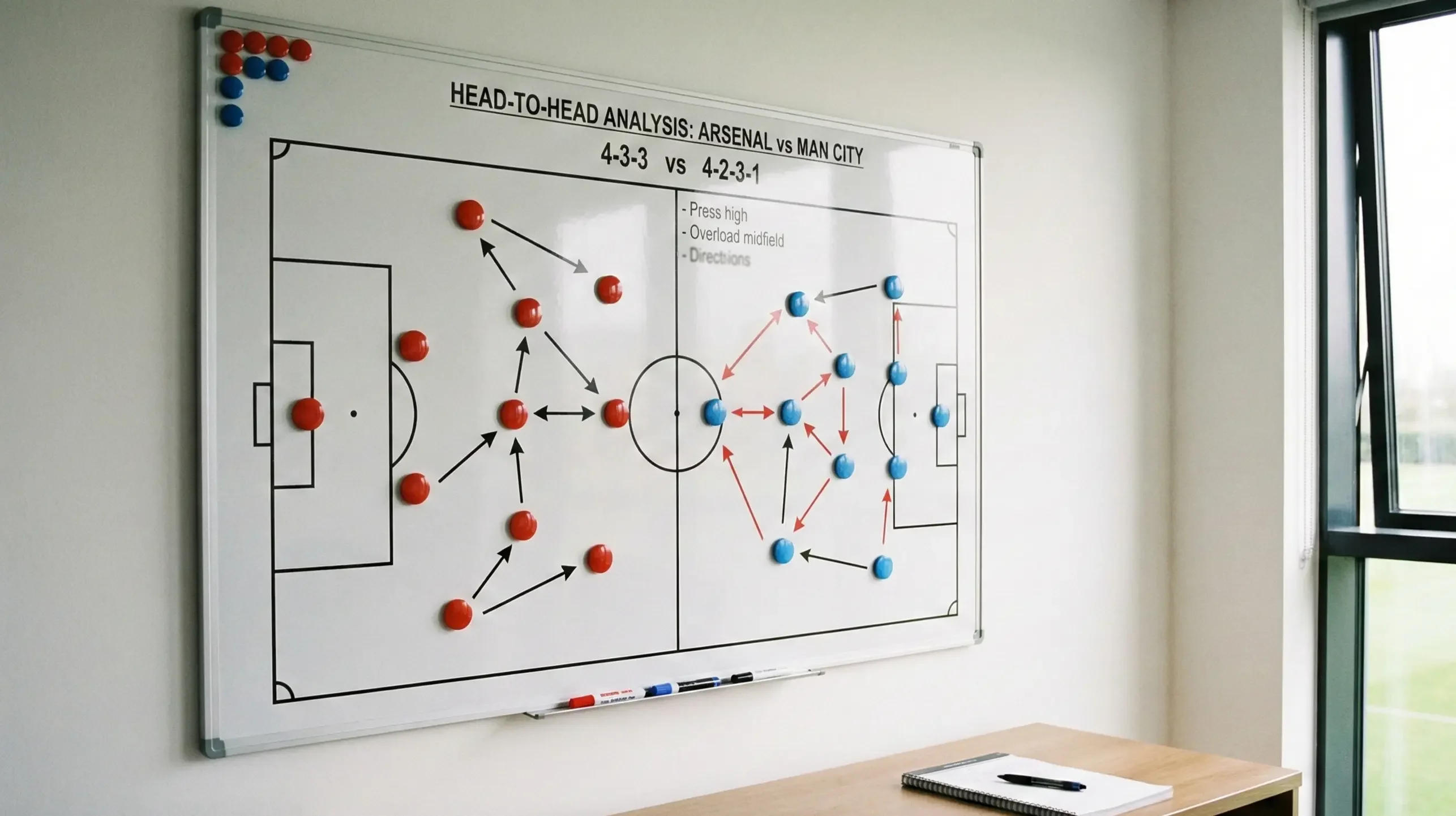
When evaluating an upcoming Champions League matchup with historical precedent, follow a structured assessment process.
First, catalog all previous meetings between these clubs in European competition. Note dates, scores, venues, and competition stages. Identify which matches occurred recently enough and with sufficient personnel overlap to warrant analytical weight.
Second, for each relevant match, analyze what happened beyond the scoreline. Review tactical approaches both teams employed. Identify which players performed well or poorly. Understand whether results reflected deserved outcomes or variance-driven scorelines.
Third, assess current squad composition against historical rosters. Calculate approximate percentage of starters from past meetings still present. For matches with less than 30% starter overlap, heavily discount historical relevance.
Fourth, evaluate whether the tactical context that produced historical results still applies. If a team won through counter-attacking but now plays possession football, historical wins under different tactical frameworks don't predict current outcomes.
Fifth, integrate historical analysis with current form, quality assessment, and situational factors. Historical insight should adjust baseline probability estimates by perhaps 3-5% rather than dominating analysis entirely.
Document this process to track whether historical factors genuinely predict outcomes in your betting experience. If historically-informed bets consistently fail, reduce the weight given to head-to-head analysis in future evaluations.
History provides context, not destiny. Champions League encounters between clubs with long rivalries create compelling narratives, but those narratives don't determine match outcomes. Proper analysis distinguishes genuine persistent factors – venue challenges, tactical style mismatches – from noise masquerading as pattern. When the current squads, coaches, and circumstances differ substantially from historical meetings, those historical meetings offer entertainment value but minimal predictive power.
