
New Format Explained
 Available in US
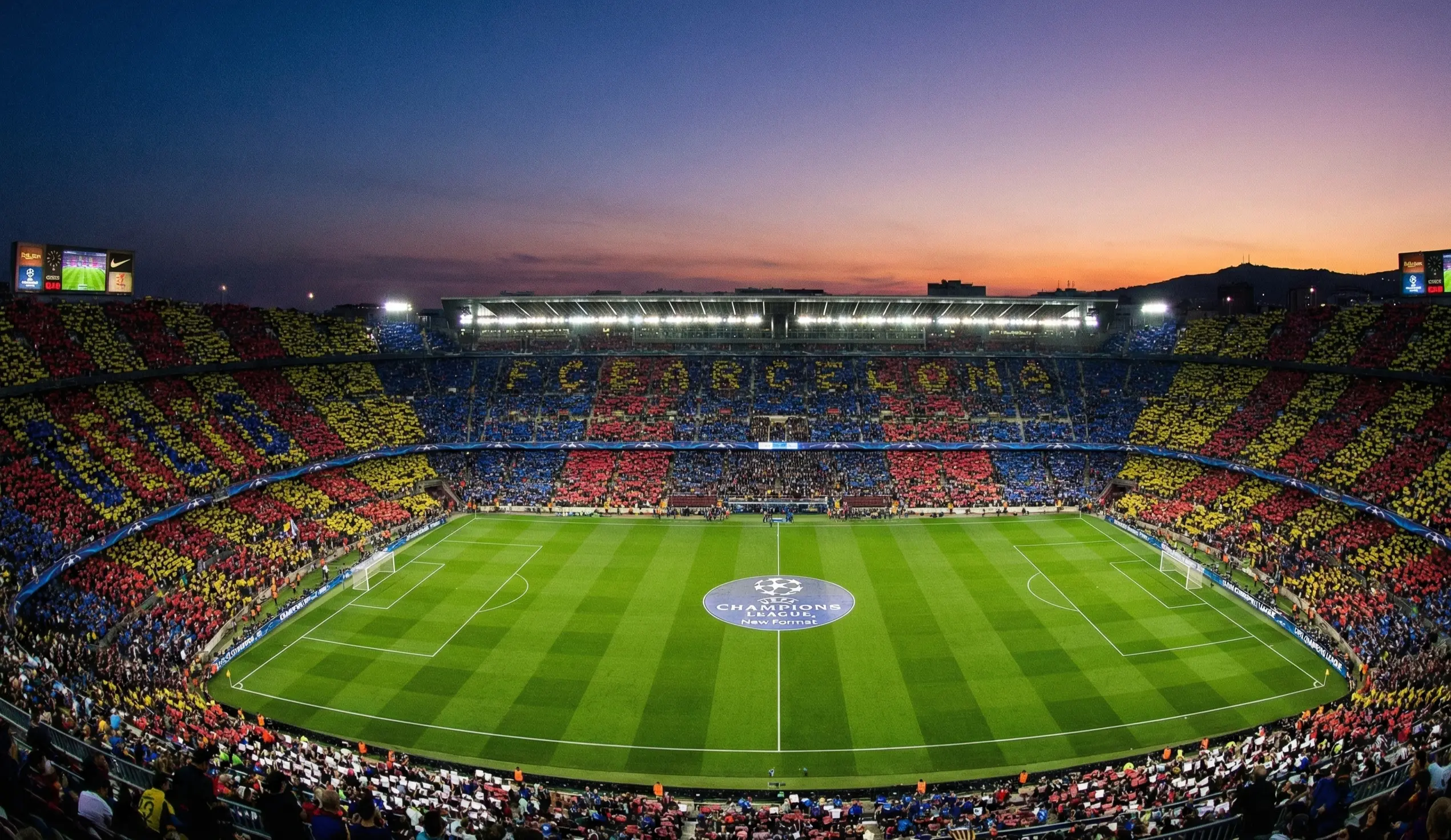
After three decades of the group stage format that defined Champions League football, UEFA threw out the playbook in 2024-25. The familiar eight groups of four teams became a single 36-team league where everyone plays everyone – well, not quite everyone, but enough opponents that the old predictability evaporated. For bettors, this restructuring created both challenges and opportunities that are still being understood as the format matures.
How the New Format Works
The new Champions League structure replaces the group stage with a league phase. Thirty-six teams compete in a single table rather than separate groups. Each team plays eight matches – four home, four away – against eight different opponents determined by a computer-assisted draw that considers seeding pots and country protection rules.
The draw procedure assigns opponents from each of four seeding pots. Every team faces two opponents from each pot, playing one at home and one away. This means a top-seeded club like Real Madrid faces two pot 1 opponents (other elite clubs), two pot 2 opponents, two pot 3 opponents, and two pot 4 opponents. The variety of opposition quality across eight matches creates unpredictable league phase campaigns.
After all eight matchdays conclude, the table determines progression. The top eight finishers advance directly to the Round of 16, bypassing additional matches. Teams finishing ninth through 24th enter a knockout playoff round – two-legged ties between teams from ninth-16th (seeded) and 17th-24th (unseeded). The eight playoff winners join the top eight in the last 16. Teams finishing 25th through 36th are eliminated entirely with no Europa League consolation prize.
The format produces 144 league phase matches compared to 96 in the old group stage – 50% more fixtures before knockout football begins. The single table creates meaningful competitive dynamics throughout, with every result affecting relative positioning against 35 other clubs.
Betting Implications of the Single Table Format
The single table fundamentally changes how to approach Champions League betting. Under the old format, groups operated independently – Barcelona’s result against Bayern had no direct effect on Liverpool’s group standings. Now every result adjusts the entire 36-team table, creating complex competitive interdependencies.
Fixture difficulty varies wildly. A team’s eight opponents might include two comfortable matches against pot 4 clubs and two brutal tests against pot 1 giants. Analyzing fixture lists before the season helps identify which clubs face favorable or challenging schedules. Some teams drew significantly easier paths than others, affecting their likely final positions.
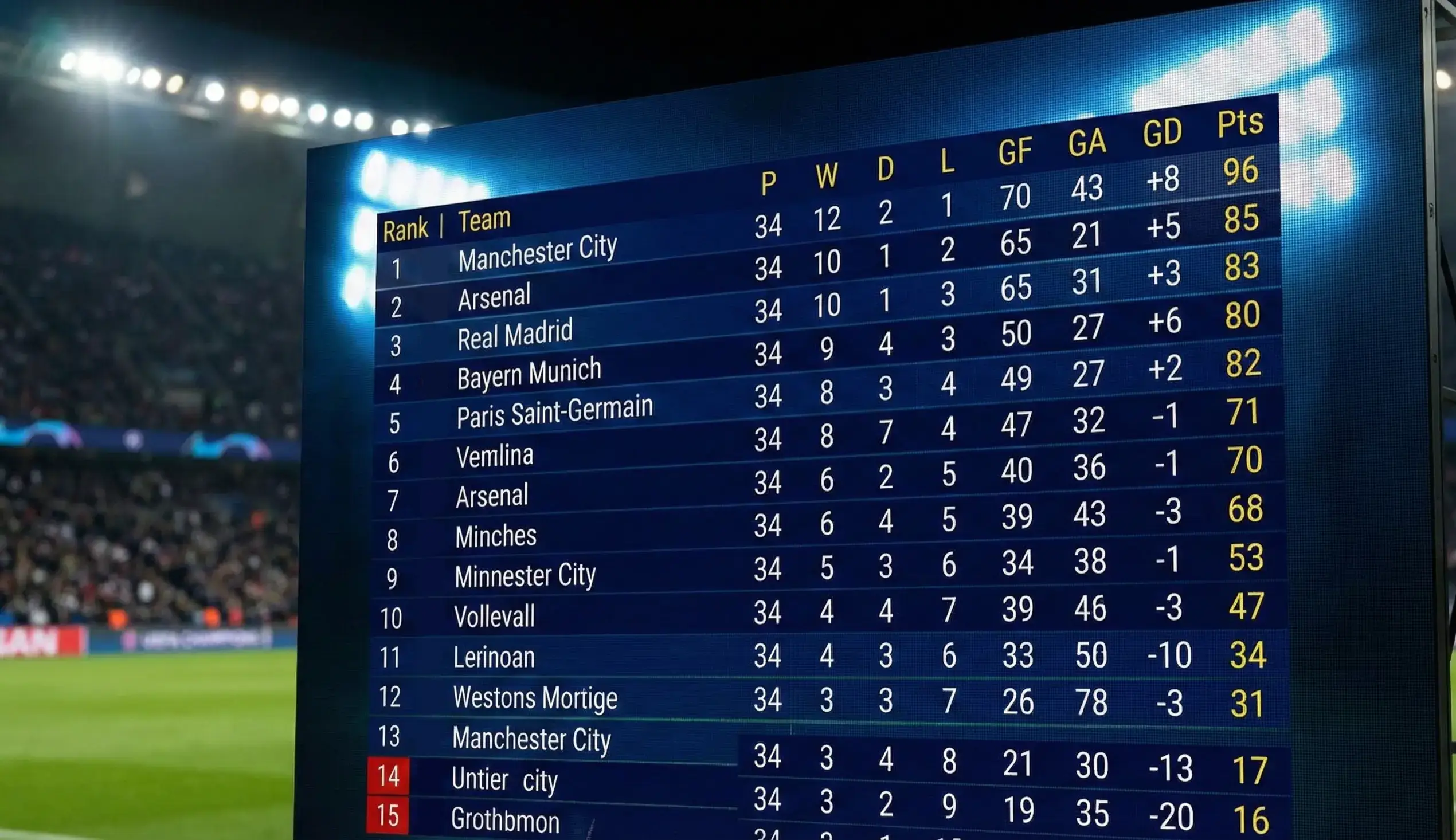
Points thresholds for progression replace simple group mathematics. Under the old format, you generally needed 10-12 points from six matches to guarantee last-16 qualification. In the new format, statistical modeling suggests 15-16 points from eight matches typically secures top-eight placement, while 9-10 points usually suffices for playoff positioning. But these thresholds shift based on overall competitiveness – one season might see 15 points barely making top eight; another might see 14 points comfortable.
Goal difference matters more. Tiebreakers start with head-to-head results, but with 36 teams and limited head-to-head matches, goal difference becomes increasingly important for separating tied clubs. Teams have incentive to run up scores in favorable matchups rather than protecting leads, affecting total goals and handicap betting in mismatches.
Late-stage league phase matches carry varied significance. Unlike groups where dead rubbers were common after early qualification, the single table’s granular positioning means most late matches matter. The difference between finishing 8th and 9th – direct last-16 qualification versus needing to win a playoff – is massive. Similarly, finishing 16th versus 17th determines seeding advantage in playoffs. This sustained competitive relevance affects how teams approach late fixtures.
Betting on Individual League Phase Matches
Match betting in the league phase resembles domestic league betting more than the old Champions League group stage. The fixture list is known in advance, teams face varied opposition quality, and table positioning creates motivational contexts for every match.
Mismatch identification follows standard analysis. When Barcelona hosts a Slovakian qualifier, the quality differential produces heavy Barcelona favoritism just as it would in any format. The new structure doesn’t change fundamental team quality – it just determines which mismatches occur.
Fixture congestion analysis gains importance. Eight guaranteed matches spread across five months creates scheduling challenges alongside domestic commitments. Teams managing fixture pileups might rotate squads differently than those with lighter schedules. Cup exits or postponements can ease or complicate congestion situations that affect lineup decisions.
Home and away splits deserve attention. Each team plays exactly four home and four away matches in the league phase. Some clubs’ eight-match schedules front-load home fixtures while others cluster away trips. Understanding when teams face home or away runs helps evaluate match-specific opportunities.
Opponent context research now spans 36 clubs rather than your group’s four. This demands broader knowledge base – understanding Austrian, Portuguese, Croatian, and Belgian club tendencies alongside the usual suspects from top leagues. Bettors with international football knowledge gain edge over those who only follow major leagues.
League Phase Outright Markets
The new format created new outright betting opportunities specific to the league phase rather than the full tournament.
League phase winner asks which team finishes atop the 36-team table after eight matchdays. This differs from tournament winner because elimination doesn’t occur – a team finishing first in the league phase might still lose in knockout rounds. The market rewards identifying which club will accumulate the most points across their specific eight-match schedule.
Top-eight finish markets ask whether specific teams finish in positions 1-8, securing direct last-16 qualification. These markets offer binary outcomes on progression without knockout survival requirements.
To qualify for knockout rounds includes teams finishing 1-24, encompassing both automatic qualifiers and playoff participants. This lower threshold makes qualification more achievable for mid-tier clubs who might struggle to crack the top eight.
Team playoff positioning markets might specify finishing in playoff positions (9-24) versus elimination (25-36), or whether a team finishes seeded (9-16) versus unseeded (17-24) in playoff draws.
Analyzing Teams for League Phase Success
The factors that predict league phase success differ somewhat from knockout tournament success. Consistency across eight varied fixtures matters more than peak performance in single matches.
Squad depth gains importance because eight matches over five months, alongside domestic commitments, tests rotation capacity. Clubs with 20+ quality players handle fixture congestion better than those depending on 13-14 key performers. Watch for early-season injuries that deplete options before the marathon concludes.
Schedule difficulty should be quantified before the season. Count how many pot 1 and pot 2 opponents each team faces at home versus away. A club playing both pot 1 matches at home faces easier path than one traveling to both. These schedule asymmetries create pre-season value opportunities.
Motivation alignment with league phase matters. Some clubs prioritize Champions League above domestic competitions; others view Europe as secondary to league titles. Understanding where the Champions League sits in a club’s hierarchy predicts rotation patterns and intensity levels.
Early-season form provides signals for league phase campaigns that begin in September. A club stumbling domestically in August might carry struggles into European competition, while one clicking immediately brings momentum.

Live Betting in the New Format
The league phase’s single-table dynamics create live betting considerations beyond individual match flow.
Table positioning updates throughout matchdays as simultaneous fixtures produce results. A team needing victory to climb into top eight might see their rivals lose in concurrent matches, reducing urgency. Conversely, discovering they need maximum points to stay in playoff places might increase attacking intent. Following live table movements during Champions League nights informs in-play decisions.
Goal difference chasing occurs late in the league phase when teams tied on points need goals to improve tiebreaker position. A team leading 2-0 might continue attacking rather than protecting the lead, affecting live totals and handicap markets.
Late matchday fixtures benefit from earlier results’ information. If the final league phase matchday sees some fixtures kick off before others, later matches’ competitive context becomes clearer. This information asymmetry creates live betting opportunities as markets adjust to confirmed scenarios.
Common Mistakes in League Phase Betting
Applying group stage thinking to a league format produces analytical errors. Expecting dead rubbers, assuming qualification is secure after a few wins, or ignoring goal difference impact all reflect outdated mental models.
Ignoring schedule asymmetries overlooks significant edge opportunities. Two clubs of similar quality might have markedly different league phase expectations based purely on who they drew and when.
Overconfidence in points thresholds assumes static qualification requirements. The points needed for top eight or playoff positioning depend on overall competition performance – a season with many surprises might lower thresholds while a season of form holding raises them.
Neglecting knockout playoff implications focuses only on top-eight qualification. Finishing 9th versus 16th determines playoff seeding – home second leg, avoiding the strongest playoff opponents. Similarly, finishing 16th versus 17th is massive. The entire 1-24 range carries positioning significance beyond simple qualification.
Betting league phase as if it’s the full tournament conflates different time horizons. League phase outright markets settle after matchday 8; tournament markets continue through May. A club dominating the league phase might exit in knockouts; a struggling league phase club might peak when elimination arrives.
Adapting Strategy as the Format Matures
The 2024-25 season provided the first data on how the new format actually plays out versus theoretical expectations. Subsequent seasons will refine understanding as patterns emerge.
Track actual points thresholds across seasons. Did 15 points secure top eight? Did 9 points avoid elimination? Building empirical data on qualification requirements improves future analysis.
Observe scheduling effects on results. Did teams with clustered away fixtures underperform? Did early home-heavy schedules produce point accumulation that later away runs couldn’t sustain?
Monitor how clubs adapt tactically. Teams might approach the eight-match league phase differently than six-match group stages – more strategic about when to push and when to protect.
The new format rewards analytical bettors willing to learn its specific dynamics rather than assuming prior Champions League patterns still apply. First-mover advantage exists for those who understand the league phase’s unique characteristics while the broader market still operates on outdated group stage intuitions.
Get acquainted with important terminology by exploring the Terminology Glossary.
Don’t miss out on featured articles on our articles section.
