
First Goalscorer & Anytime
 Available in US
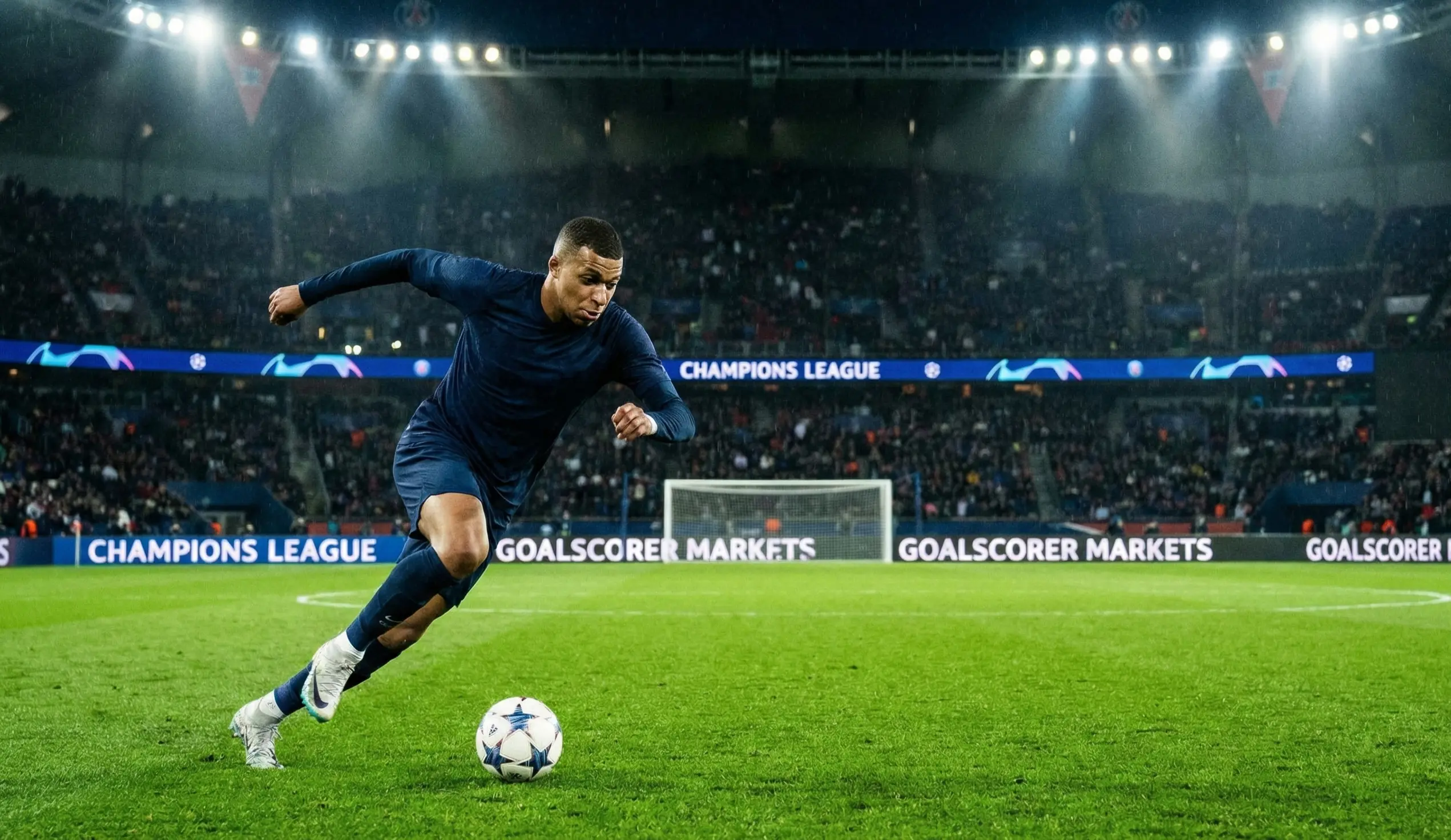
Few betting markets combine narrative satisfaction with analytical challenge quite like goalscorer betting. Watching your selected player drive forward, seeing the chance develop, waiting for the finish – and then experiencing either elation when the net ripples or deflation when the shot sails wide. Goalscorer markets transform passive viewing into active investment in individual performances, making Champions League nights intensely personal.
Understanding Goalscorer Markets
First goalscorer betting asks you to predict which player scores the opening goal of the match. Only goals during normal play count – own goals void bets on the credited player at most bookmakers, with stakes typically returned. If your player doesn’t feature in the match, most books refund your stake. If they come off the bench after the first goal, the bet stands as a loss since they never had opportunity to score first.
Anytime goalscorer is more forgiving: your player needs to score at least once during the 90 minutes, regardless of when. This market offers shorter odds than first goalscorer because the probability of scoring at any point exceeds the probability of scoring specifically first. A striker who typically scores once per game has reasonable anytime probability but much lower first-goal probability since other players might score before him.
Last goalscorer mirrors first goalscorer but asks who scores the final goal. This market is harder to predict because late substitutions change available scorers and match flow determines when scoring ends. A 2-0 lead might see defensive substitutions that remove attacking threats; a 1-1 game might see additional strikers introduced.
To score two or more or hat-trick markets require multiple goals from the same player. These carry long odds reflecting the rarity of braces and hat-tricks even among elite strikers. Champions League matches where 2+ goal performances seem likely – mismatches featuring prolific scorers – offer the best environment for these bets.
Identifying First Goalscorer Value
First goalscorer markets typically price elite forwards at shortest odds: 6/1 for Mbappe, 7/1 for Haaland, similar figures for Kane or Lewandowski. These prices reflect their goal-scoring frequency but not necessarily their first-goal frequency. A player who scores frequently but often from second-half positions created by his team’s dominance might be overpriced as first goalscorer compared to players who score earlier in matches.
Penalty takers gain first-goalscorer edge because penalties often occur early as teams feel each other out, and conversion rates exceed 75%. Identifying which player takes penalties for each team – information sometimes buried in team news or historical patterns – reveals value when odds don’t fully reflect penalty duty.
Set-piece specialists similarly benefit from early-match importance. The first fifteen minutes often feature aggressive pressing and fouls in dangerous areas, leading to free kicks near the box. Players who take direct free kicks or attack headers from corners have systematic first-goal advantages that anytime goalscorer pricing doesn’t always capture.
Central strikers who occupy the penalty area consistently see more early chances than wide forwards who drift into scoring positions as matches open up. A traditional number nine stationed in the box from kickoff has different first-goal probability than a winger who creates space through the half and shoots from range late.

Analyzing Anytime Goalscorer Probability
Anytime goalscorer probability depends on expected minutes played, expected shots, and shot conversion rates. A striker who plays 90 minutes, takes 4 shots with 0.15 xG per shot, has roughly 0.60 expected goals for the match – implying around 45% probability of scoring at least once using Poisson distribution calculations.
Minutes projection matters enormously. A player announced in the starting lineup has far higher anytime probability than one expected to come off the bench for 20 minutes. Checking team news and projected lineups before betting provides crucial information that casual bettors ignore.
Opposition defensive quality adjusts scoring probability. Erling Haaland facing a porous defense has higher anytime probability than Haaland facing a well-organized low block. Elite strikers aren’t guaranteed goals regardless of opponent – their efficiency depends partly on service quality and space availability that defenses can restrict.
Competition phase affects goalscorer distributions. League phase mismatches see star forwards rested, rotated, or substituted early once comfortable leads are established. A hat-trick opportunity might evaporate when the manager protects his asset for bigger matches. Knockout rounds see stars play full matches but face better defenses with more at stake.
Using Statistics to Find Goalscorer Value
Expected goals (xG) data reveals which players consistently get into scoring positions. A player with 0.7 xG per 90 minutes who only scores 0.4 goals per 90 might be due for positive regression – his shot quality suggests more goals than he’s actually scoring. Conversely, a player outperforming xG might regress downward.
Shot volume matters alongside shot quality. Between two players with identical xG, the one taking more shots has more opportunities for variance to produce goals. High shot volume with moderate conversion can outperform selective shooting in anytime markets where you need just one goal.
Historical Champions League performance sometimes diverges from domestic form. Some players rise to European occasions; others struggle with tactical adjustments or elevated defensive quality. Tracking UCL-specific statistics – not just overall season numbers – improves goalscorer analysis.
Head-to-head records against specific opponents occasionally reveal exploitable patterns. A striker who historically scores against Italian defenses but struggles against German pressing might offer value when facing Serie A opposition at odds that don’t reflect this matchup advantage.
Goalscorer Betting Strategies
Backing first-choice strikers at value odds is the simplest approach. When odds on Haaland or Mbappe exceed what their actual scoring probability implies – perhaps after a cold streak that doesn’t reflect their underlying quality – these selections offer straightforward value.
Targeting set-piece specialists for first goalscorer exploits structural advantages. If a defender known for heading corners is priced at 20/1 but corners produce 15% of that team’s goals and he wins most aerial duels in the box, those odds might understate his probability.
Fading overpriced names means betting against players whose odds are shorter than their actual probability due to reputation rather than current circumstance. A star striker returning from injury who faces minutes restrictions might be overpriced despite his name recognition.
Backing multiple goalscorers through dutching spreads risk across players likely to score without depending on any single one finding the net. If you believe Liverpool will score but aren’t sure which forward converts, backing Salah, Nunez, and Gakpo at various odds creates combined positions with higher hit probability than any single selection.
Live Goalscorer Betting Opportunities
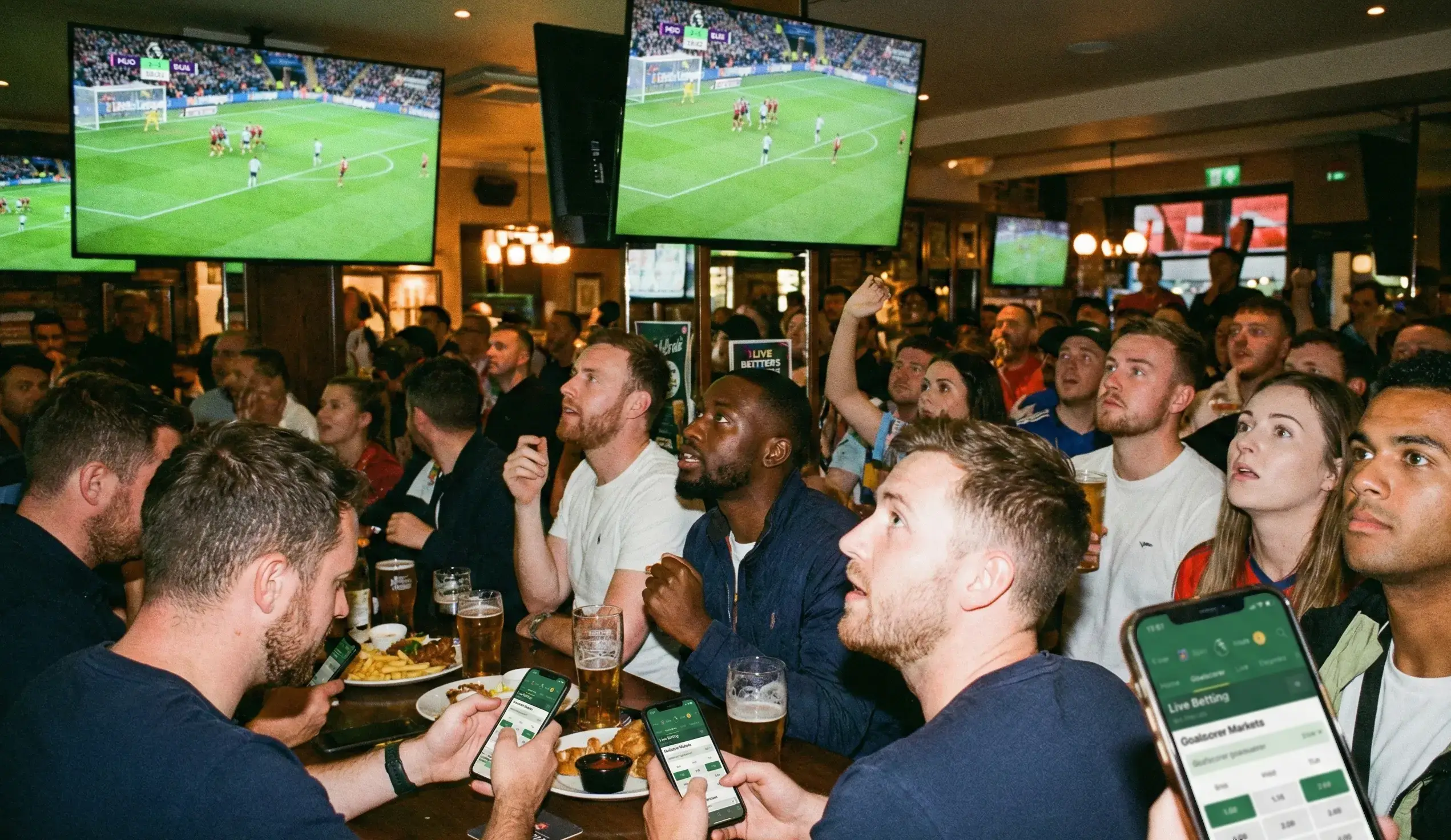
In-play goalscorer markets update constantly based on match developments. A star striker’s anytime odds shorten as his team dominates; they lengthen if he’s isolated or ineffective. Reading live match dynamics reveals whether current odds accurately reflect remaining scoring probability.
Substitutions create immediate live betting opportunities. When a fresh striker enters with 30 minutes remaining in a match needing goals, their anytime odds might offer value before the market fully adjusts. Conversely, when a predicted starter gets substituted early, alternative players’ odds might not immediately reflect their increased opportunity.
Scoreline context affects remaining goalscorer probability. In a 0-0 match at 80 minutes, teams desperately seeking goals create more chances than in a 3-0 comfortable finish. Backing goalscorers in tight, late situations captures desperation-driven attacking while the market might still price based on pre-match expectations.
Penalty anticipation during live matches presents opportunities. If you sense a penalty is likely – perhaps VAR is reviewing a challenge or a team dominates in the box – backing the penalty taker before the decision provides better odds than after a spot-kick is awarded.
Common Goalscorer Betting Mistakes
Backing names without checking lineups produces instant losses when your player sits on the bench. Always verify starting lineups before placing goalscorer bets, especially for matches where rotation is likely.
Ignoring penalty and set-piece duties leaves value unexploited. The designated penalty taker has systematic advantage in first-goal markets that their raw scoring statistics don’t capture.
Overweighting recent scoring streaks assumes hot-hand effects that football doesn’t reliably produce. A striker scoring in three consecutive matches isn’t more likely to score next match than his underlying skill level suggests. Regression to mean eventually occurs.
Backing multiple first goalscorers on the same team guarantees most of your stakes lose even when your team scores first. If you back three players and one scores the opener, two bets lose. Concentration on single selections or cross-team diversification manages this risk better.
Assuming star players always score in mismatches ignores rotation, early substitutions, and defensive opponents who park the bus effectively. Elite players facing massed defenses with limited space sometimes struggle more than against open play.
Building Goalscorer Market Expertise
Develop knowledge of specific strikers’ profiles: do they score early or late? From open play or set pieces? Central chances or arriving from wide? Against certain defensive styles? This granular understanding identifies value that generic statistics miss.
Track penalty taker hierarchies across Champions League teams. This information isn’t always obvious – backup takers step up when primaries miss or get injured – but knowing who shoots penalties provides consistent edge.
Monitor team news obsessively for goalscorer markets. A midfielder’s injury might push a forward into a more central role with better scoring opportunity. A manager’s comments about resting players reveal rotation before lineups confirm it.
Accept that goalscorer markets favor entertainment over profit optimization. The excitement of watching your player hunt for goals provides genuine value beyond financial returns. If you treat goalscorer betting as enhanced viewing experience rather than profit center, you’ll enjoy it more and gamble more responsibly.
Maintain realistic expectations about hit rates. Even well-selected anytime goalscorer bets at odds around 3/1 should win roughly 25-30% of the time by design. Losing seven of ten such bets is entirely normal and doesn’t indicate broken analysis. Long-term tracking across hundreds of bets reveals whether your selection process adds genuine value above the market.
Get prepared for qualifying rounds by reading the Qualifying Rounds Betting article.
For additional resources, you can always check champions-league-bet.com.
