
Final Betting
 Available in US

One match. Neutral ground. No second leg to rescue mistakes. The Champions League final concentrates an entire season’s worth of pressure, preparation, and potential glory into 90 minutes – or 120, or the agony of penalties. For bettors, the final presents unique opportunities and traps. The whole world watches, odds are scrutinized obsessively, and the temptation to overbet the biggest club match of the year catches even disciplined bettors off guard.
What Makes Final Betting Different
The Champions League final is sui generis – a match unlike any other. Every betting principle that applies to regular fixtures gets amplified, distorted, or inverted by the unique circumstances surrounding club football’s biggest prize.
Neutral venue eliminates home advantage. Most football betting incorporates home field advantage that typically amounts to half a goal or more in expected scoring. Finals occur at predetermined neutral sites – a stadium neither finalist calls home. This absence of home advantage compresses odds compared to hypothetical home-and-away scenarios and removes a significant analytical variable.
Maximum preparation time means both managers have studied their opponent exhaustively. Tactical surprises are rare because scouting reaches peak intensity. Both teams know each other’s patterns, personnel preferences, and set-piece routines. This mutual familiarity often produces tight, cagey matches where neither side can establish the dominance they might achieve against less-prepared opponents.
Occasion pressure affects performance in ways regular matches don’t. Even elite players who’ve performed in countless big games describe final nerves differently. The magnitude of the occasion can inhibit risk-taking, affecting the open attacking football that characterizes lower-stakes matches. Some players rise to occasions; others shrink. Predicting these responses is art rather than science.
Media saturation amplifies betting action. The final attracts casual bettors who ignore football most of the year, recreational bettors who overextend their normal stakes, and massive handle across global markets. This public money flow can move lines in ways disconnected from sharp assessment, occasionally creating value for contrarian positions.
Analyzing Finalists’ Paths
How teams reached the final matters for predicting final performance. Two clubs arriving via similar routes face each other differently than one that cruised and one that scraped through.
Physical condition after semi-finals affects final readiness. A team that won both semi-final legs comfortably arrives fresher than one that required extra time or a dramatic late winner. Check for injuries accumulated in semi-final combat, yellow card suspensions triggered by semi-final bookings, and general fatigue indicators.
Knockout round performance patterns reveal how teams handle elimination pressure. A club that consistently starts slowly in knockout legs before finding form might do the same in the final. One that has dominated from opening whistles brings different expected rhythm.
Momentum and confidence build through knockout success. A team that overcame a 2-0 first leg deficit in the quarter-finals carries belief that they can recover from any situation. Conversely, a team that nearly collapsed in earlier rounds might carry hidden fragility beneath confident surfaces.
Tactical patterns against knockout opposition suggest how teams might approach the final. Did they play conservatively in away legs? Did they attack relentlessly? These tendencies don’t guarantee final approaches but provide reasonable baseline expectations.
Historical Final Trends
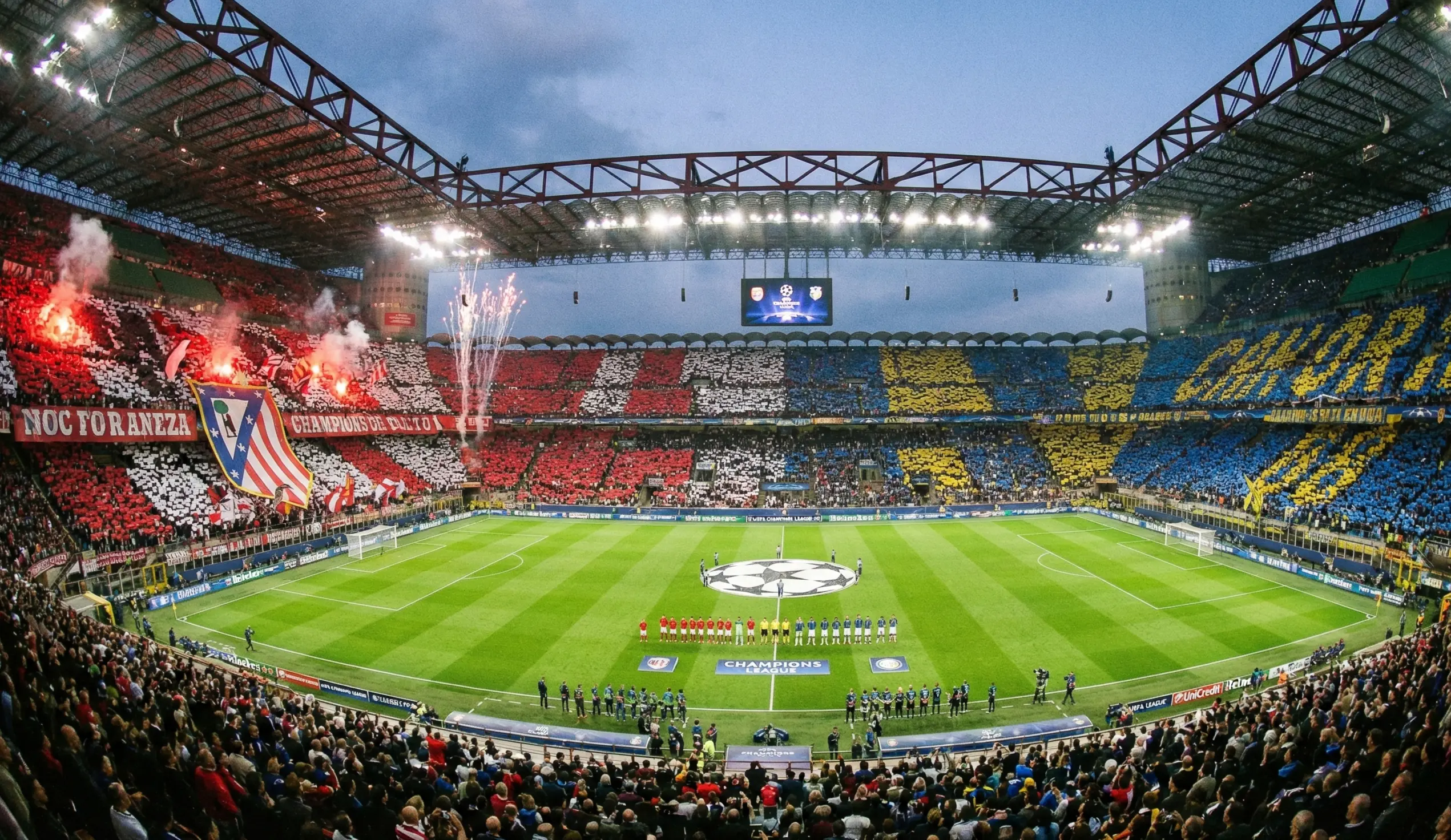
Champions League final history offers statistical patterns, though sample sizes remain small enough that individual match variance can easily override historical tendencies.
Underdogs cover more often than expected in finals. The single-match format and occasion pressure compress quality gaps. Heavy favorites sometimes struggle to impose their superiority against finalists who, by definition, have proven knockout credentials. This pattern suggests value often exists on underdogs – not that underdogs usually win, but that their odds sometimes understate their actual chances.
Low-scoring results predominate. Finals average fewer goals than regular season matches. The tactical preparation, defensive organization, and fear of decisive mistakes all suppress scoring. Under 2.5 goals hits at elevated rates in finals compared to knockout rounds generally. The most common final scorelines historically are 1-0, 2-1, and 0-0 (before extra time).
Draws after 90 minutes occur frequently. The combination of matched quality, tactical caution, and suppressed scoring produces level results at regulation end. This makes “draw in regular time” bets interesting, though odds typically reflect this historical pattern.
First goal importance intensifies. The team scoring first in Champions League finals wins more frequently than regular match patterns suggest. Opening goals in finals trigger conservative reactions from the scoring team and desperation that often backfires from the trailing team. First goalscorer and first goal timing markets carry amplified significance.
Market-Specific Final Strategies
Match result betting in finals deserves adjusted expectations. Don’t expect the same value structures as league matches. The draw probability increases relative to most competitive matches because of the occasion dynamics. Three-way lines where the draw seems long often contain value.
Over/under goals markets typically see public money on overs – casual bettors expect fireworks in the biggest match. Sharp money often takes the other side, recognizing that finals trend toward caution. Under 2.5 at prices above -130 often represents solid value in finals between two defensively capable clubs.
Asian handicaps in finals require careful evaluation of the “half goal” implications. A -0.5 or -1 handicap on the favorite asks whether they win or win by 2+. Given historical closeness of finals, underdogs receiving +0.5 or more frequently cover.
Goalscorer markets in finals reward identifying players who perform in big moments. Some strikers have excellent final records; others disappear when stakes peak. Historical final performance, while limited data, provides some signal about pressure handling.
Corners and cards markets in finals follow specific patterns. Corner counts often run lower than typical matches because teams prioritize possession and defensive shape over risky attacking. Card counts can spike in physical finals or stay low in technically-skilled encounters. Referee assignment, announced in advance, helps calibrate card expectations.
Live Betting the Final
In-play betting during the final offers opportunities unavailable pre-match, but emotional discipline becomes paramount when betting the biggest game of the year.
Pre-match positions affect judgment. If you have significant money on one team and they fall behind, the temptation to hedge, double down, or make emotion-driven live bets spikes. Recognizing this psychological trap helps resist it. Treat live betting as independent from pre-match positions.
Early match flow reveals tactical approaches. After 15-20 minutes, you can see whether teams are playing conservatively or attacking. This information can validate or contradict pre-match assumptions, creating live betting opportunities when reality diverges from expected patterns.
Substitution patterns affect late-match dynamics. Managers in finals often make conservative substitution choices, protecting leads rather than pushing for insurance goals. Identifying when a team shifts into protect mode helps predict whether late goals are coming.
Extra time and penalties create unique live betting scenarios. If regulation ends level, the dynamics for extra time differ from the 90 minutes preceding – fatigue compounds, penalty shootout looms, and managers must decide whether to push for a winner or play for pens. These dynamics are difficult to price accurately in real-time, occasionally creating value.
Bankroll Management for Finals
The final’s significance creates psychological pressure to bet bigger than usual. Resist this urge.
Stake normally despite the occasion. Your usual unit size should remain your final unit size. The temptation to “make it count” by betting 5% of bankroll instead of your normal 2% introduces unnecessary risk during the year’s most volatile betting opportunity.
Spread exposure across markets if you want final action beyond a single bet. Rather than concentrating on match result, consider smaller positions on over/under, first goalscorer, correct score, and other markets. This diversification reduces dependence on any single outcome while maintaining engagement throughout the match.
Avoid parlay overload where the final is one leg of a larger multi-bet. If your parlay depends on final outcomes you can’t control, the emotional investment in that single leg distorts evaluation of the parlay’s overall value.
Accept that you might lose. Finals are single matches with significant variance. Even excellent analysis produces losing bets roughly half the time in competitive finals. Approaching the final with equanimity about potential losses prevents desperate in-play chasing.
Common Final Betting Mistakes
Overvaluing recent form ignores how finals operate differently. A team that scored 12 goals in their last four matches might produce 0 in a final where defensive organization peaks. Final performance has weak correlation with immediately preceding matches.
Assuming quality gap translates to comfortable victory underestimates final pressure’s equalizing effect. Heavy favorites in finals often struggle to dominate as they did in earlier rounds. The occasion compresses expected performance gaps.
Betting emotionally on preferred teams produces poorly evaluated positions. If you desperately want Liverpool to win, your assessment of their chances becomes biased. Either bet against your preferred team to offset emotional attachment or skip betting on your team’s matches entirely.
Chasing the final with excessive action stems from feeling that such a big match deserves big betting. This is backwards – the match’s significance doesn’t change your edge or bankroll capacity. The size of your bets should reflect your edge, not the occasion’s prominence.
Ignoring the specific final circumstances treats all finals identically. Each final has unique context: venue location (and which club’s fans traveled better), weather conditions, injury concerns revealed in final training sessions, and tactical setup hints from manager comments. Generic final approaches miss specific edges in specific years.
Final Research Checklist
Before placing any final bets, work through a structured analysis:
Verify team news – any late injuries, suspensions, or fitness concerns that affect expected lineups. Check venue specifics – does the stadium’s pitch, altitude, or climate favor either team’s style? Research referee assignment – historical patterns for cards, fouls, and match control style. Analyze tactical matchups – how does each team’s preferred system interact with their opponent’s approach? Consider rest differential – did one team’s semi-final path leave them more fatigued? Evaluate historical precedent – any head-to-head finals history or final experience differentials? Compare odds across multiple bookmakers – finals attract extensive action, making line shopping particularly valuable.
The Champions League final is one match where preparation depth genuinely matters. Sharp bettors who’ve done exhaustive homework create edge over casual bettors drawn by the occasion. Take the time to prepare properly – then bet your appropriate unit size regardless of the stakes others place around you.
For effective sports betting, refer to our Betting Odds Explained article.
For better strategies, return to the domain site.
